

Current highlights
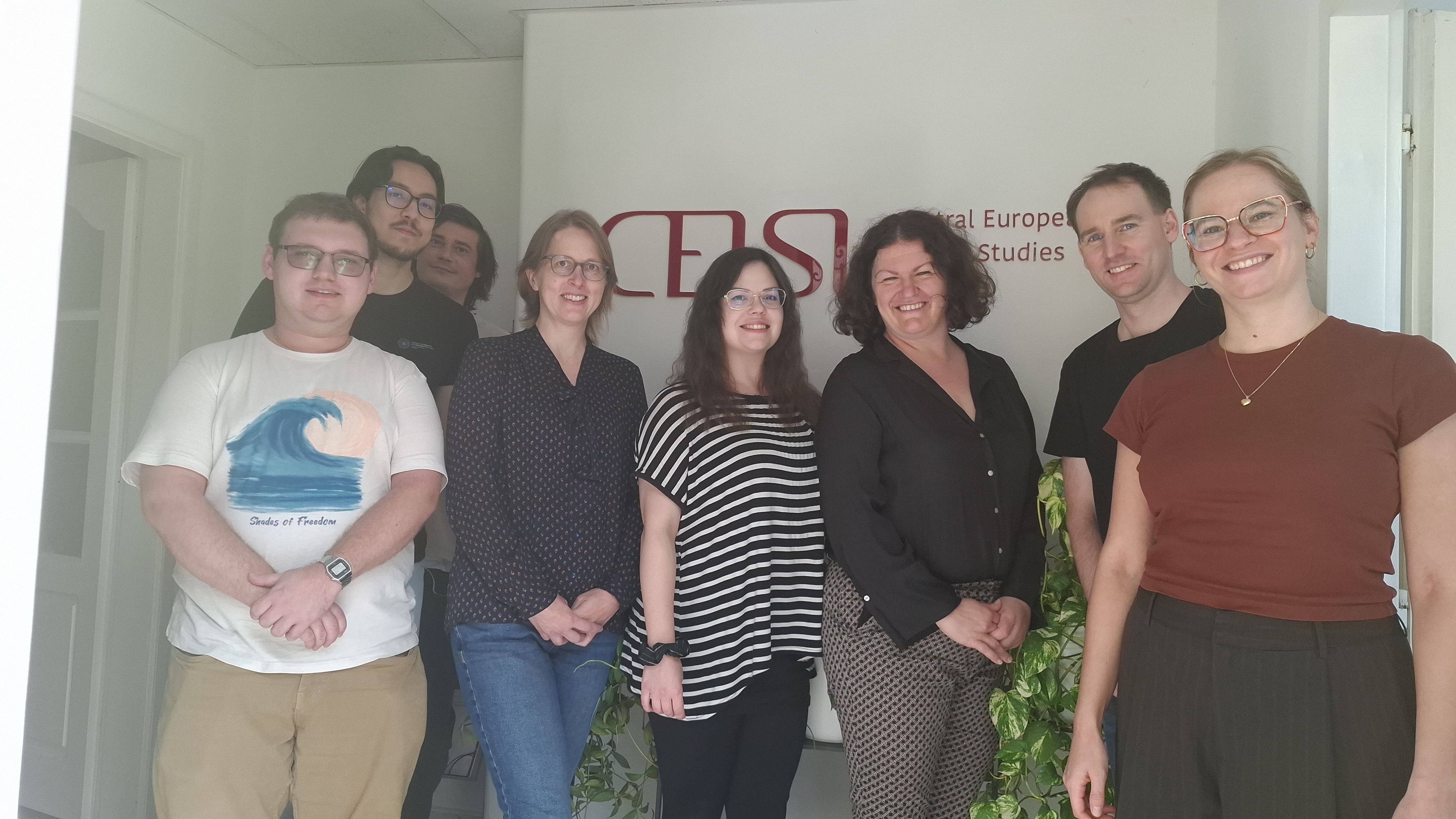
Researchers from the EGRUiEN teams at JYU and LUT contributed to the Strategic Research Council Conference held on 23–24 September 2026 at Tampere University. Their presentations examined how green and digital transformations are reshaping work, care, migration and collective bargaining. The conference followed Sarah Tornberg’s research visit to CELSI in Bratislava, where she developed her ongoing work on digitalization in elderly care through interdisciplinary exchange.
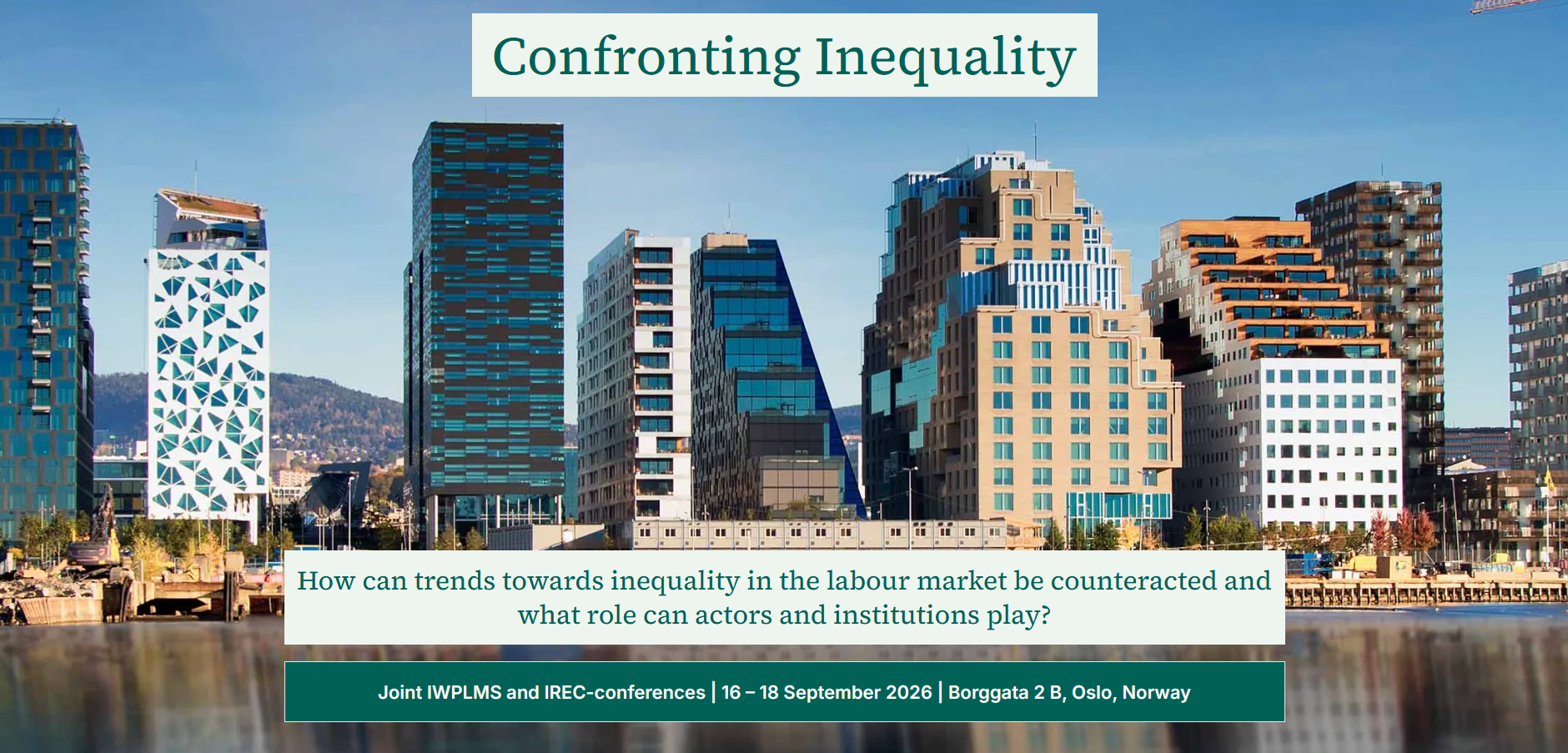
A delegation from the University of Wrocław and the University of Oslo, comprising Jacek Burski, Helena Seibicke and Ines Wagner, presented the findings of the EGRUiEN research project at the international IREC/IWPLMS conference ‘Confronting Inequality’ in Oslo
The EGRUiEN project members were present at the 17th ESA Congress "Strengthening Democracies: Social Action, Solidarity, and Sustainable Futures" held in Warsaw on 25-28th of August 2026.
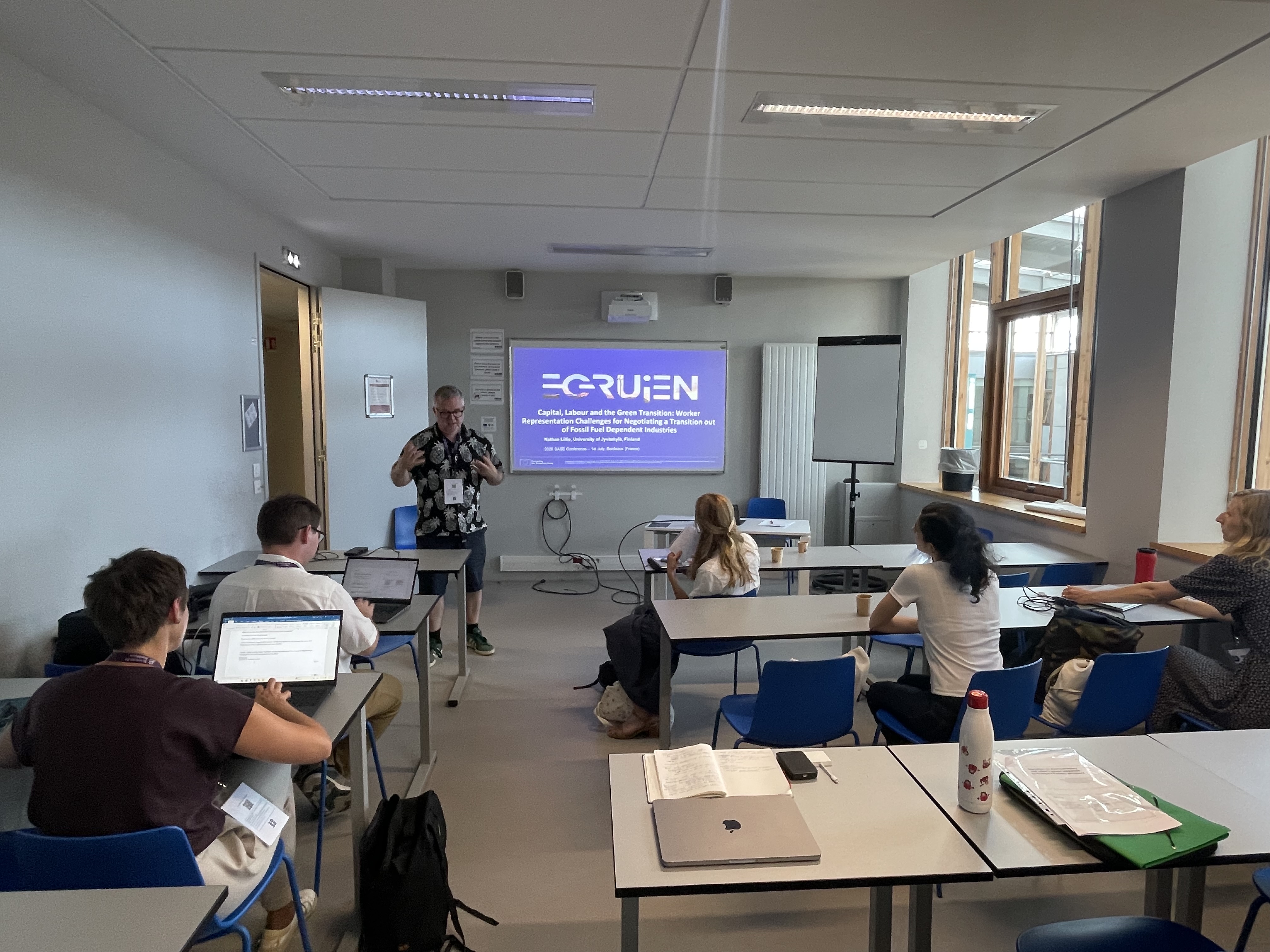
The events took place in May, June and July 2026, gathering wide audience, while our findings attracted attention

First Strategic Board Meeting connects EGRUiEN research with the experience of social partners across Europe. On 11 June 2026, the EGRUiEN Horizon Europe project held its first Strategic Board Meeting online, bringing together project representatives and members of the Strategic Board for a focused discussion on how social dialogue can help shape a fair green and digital transition
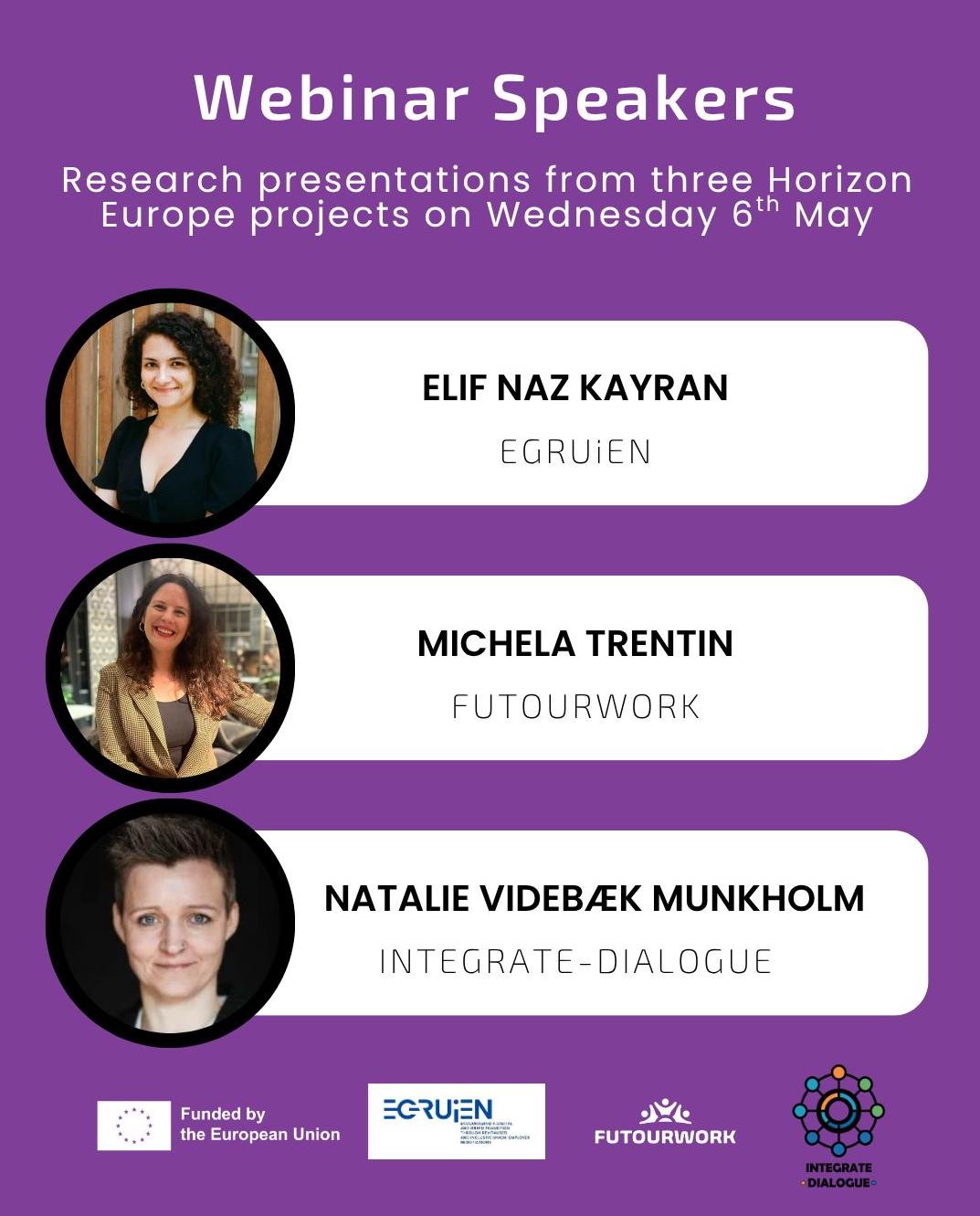
On 6 May 2026, we had the pleasure of co-organising an international online event dedicated to the future of platform work, workers’ rights, and the implementation of the EU Platform Work Directive.
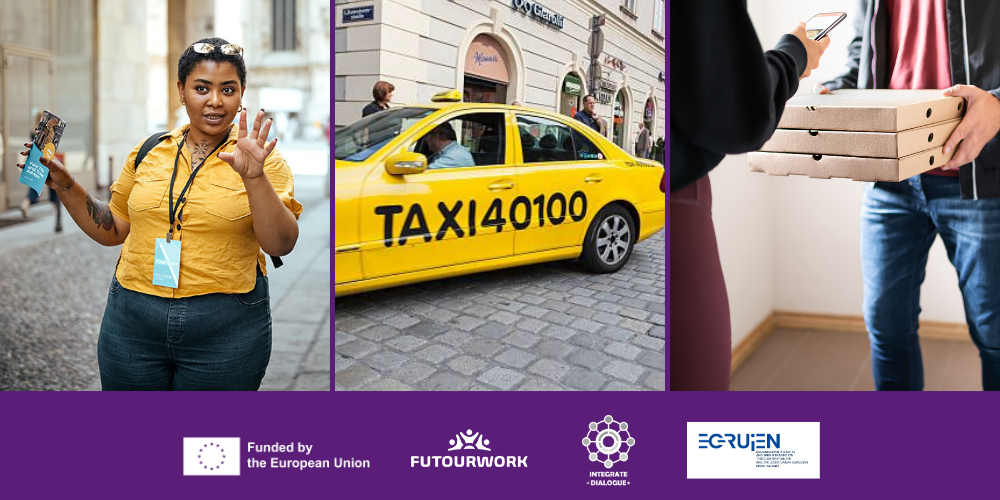
Do you work on labour policy, social dialogue, or worker representation? Are you responsible for the implementation of the new EU Platform Work Directive? Join our webinar, co-hosted with fellow Horizon Europe projects EGRUiEN and INTEGRATE-DIALOGUE, where together we’ll explore how increasing platform work is transforming workers’ rights and social dialogue in different sectors across Europe.
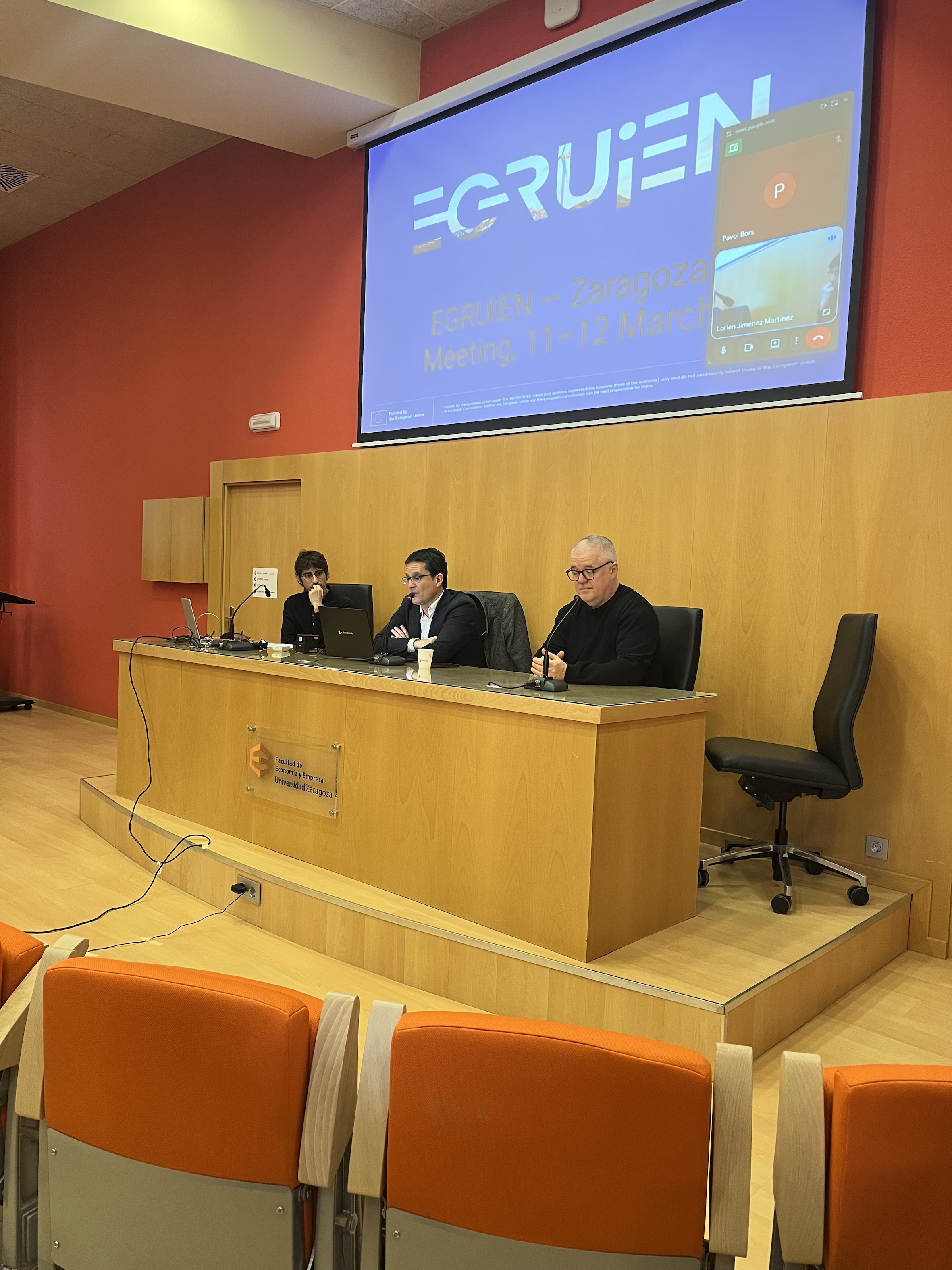
On March 11 and 12, we meet in Zaragoza to analyse the research procedure in four sectors.
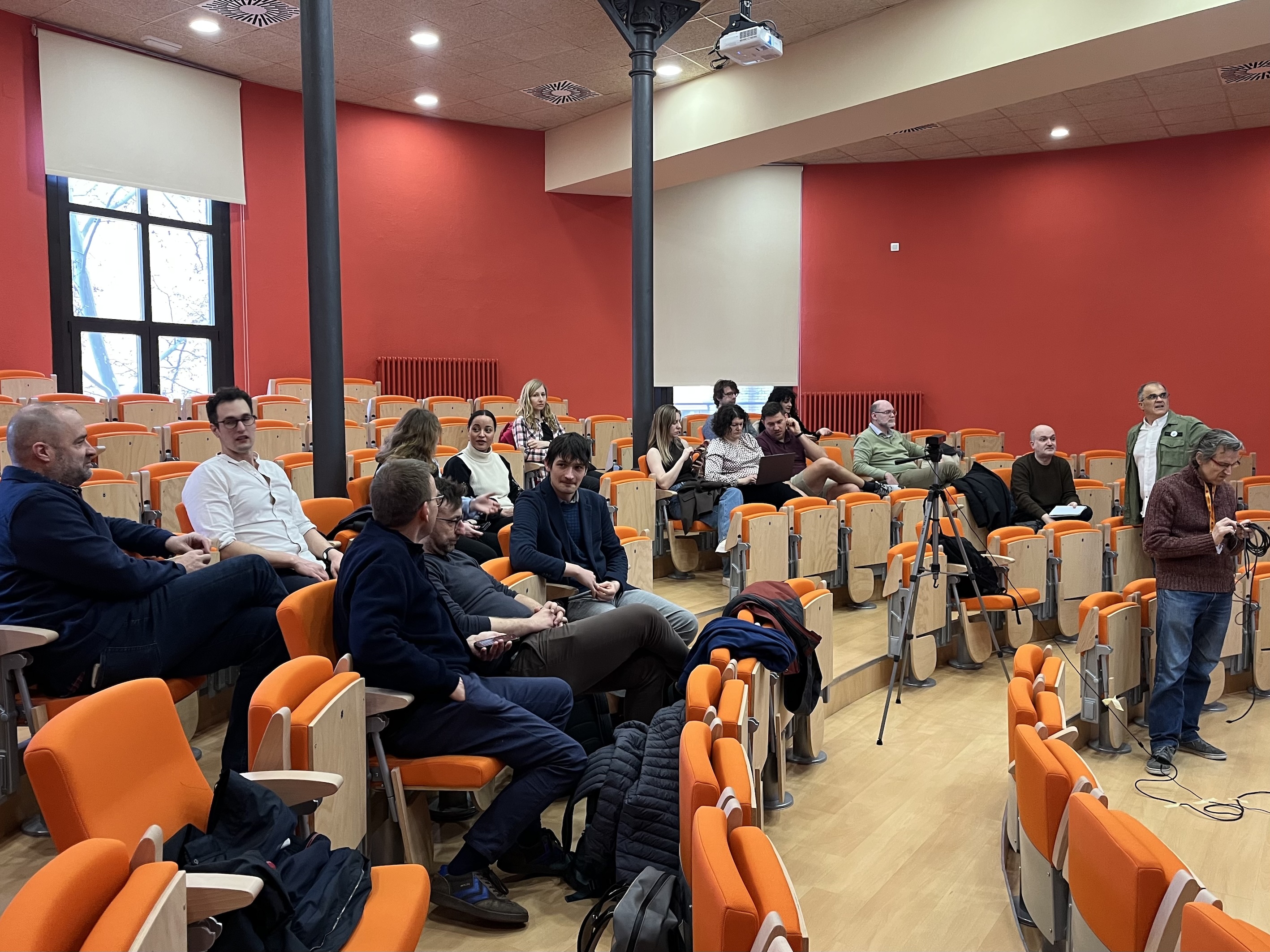
EGRUiEN teams gather in Zaragoza, Spain, to dicuss project progress and next steps.
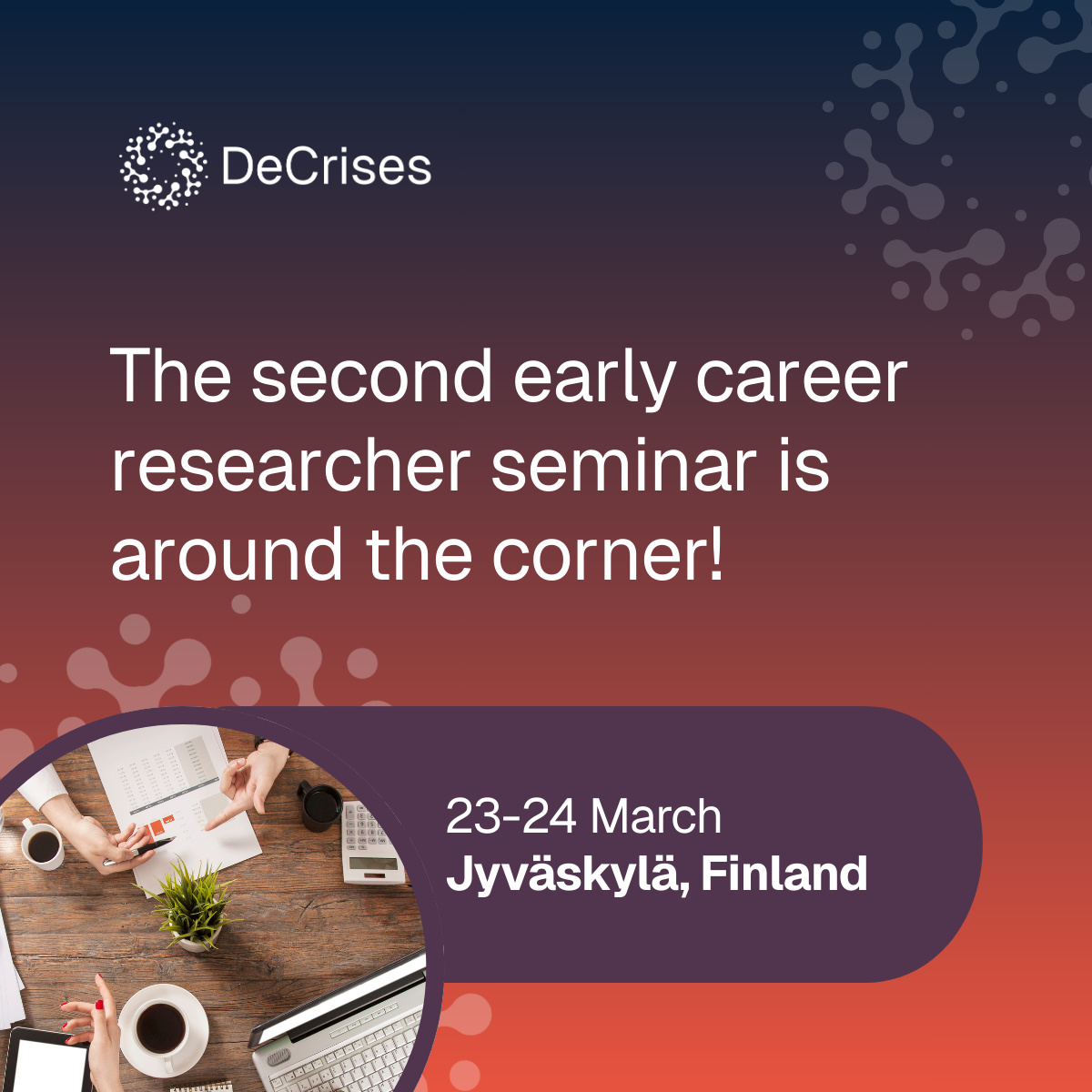
On 23–24 March, the University of Jyväskylä will host the second early-career researcher seminar organised by the Horizon Europe projects DeCrises and EGRUiEN
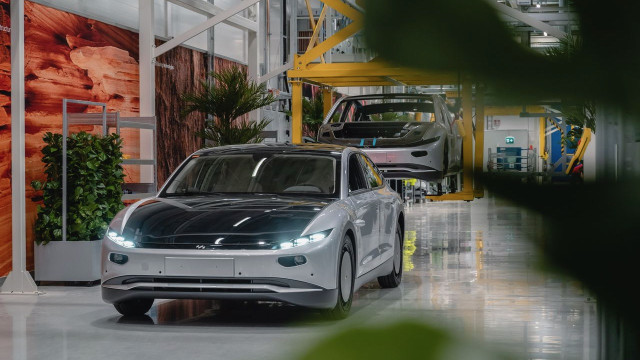
The Finnish case examines Valmet Automotive amidst increasing global competition and developments in the automotive sector. As Finland’s only major passenger car manufacturer, the Uusikaupunki factory is a unique case as their operation relies on contract production for established car brands rather than manufacturing its own models. The factory is regarded as an important industrial employer with highly unionized workforce

We have published new reports in the Research section prepared as part of WP2 – Historical case studies and theoretical framework.
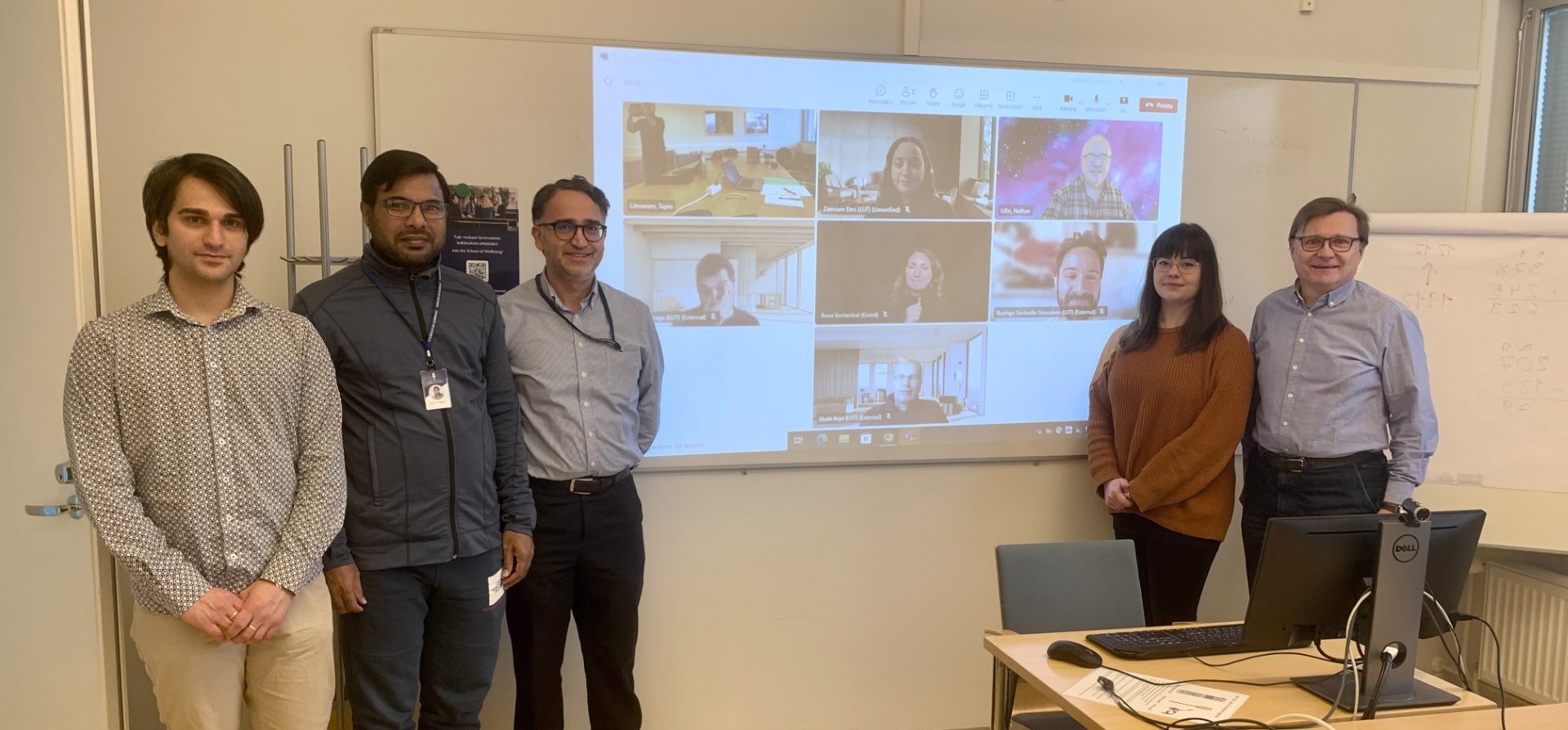
Our colleagues from the University of Jyväskylä, LUT University, and the University of Parma participated in the series of workshops, conferences and seminars during the fall season of 2025!

Labour relations in the UK have undergone a number of radical transformations since the industrial revolution took shape in the middle of the 18th century. After almost 200 years of very limited power afforded to organised labour, trade unions enjoyed a brief period of 30 years in which they were empowered to negotiate on equal terms’ with employers. Since the late 1970s, however, the pendulum has firmly swung back in favour of employers
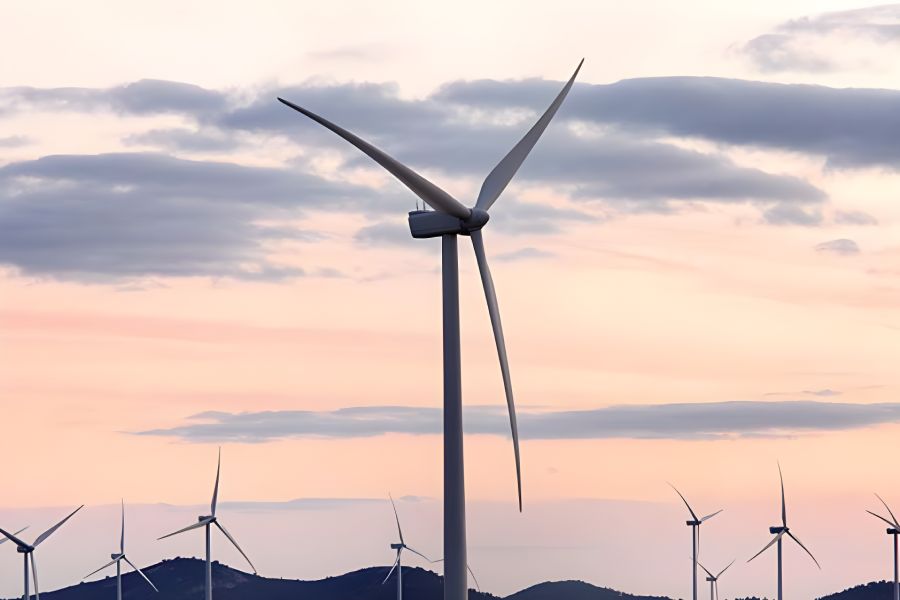
The Spanish case encapsulates the evolution from the uncertainties of industrial and agricultural restructuring to a diversified service economy, but with persistent challenges in terms of social inequalities and employment quality.
Slovakia’s modern socio-economic development is shaped by its late but intense industrialisation and its turbulent post-socialist transition. Once the less developed part of Czechoslovakia, Slovakia saw rapid growth in heavy industry, arms, and automotive manufacturing under state socialism, though often at the expense of agriculture and living standards. By 1989, over one million people worked in industry and construction, but inefficiency, technological lag, and poor competitiveness left the economy vulnerable at the regime’s collapse.
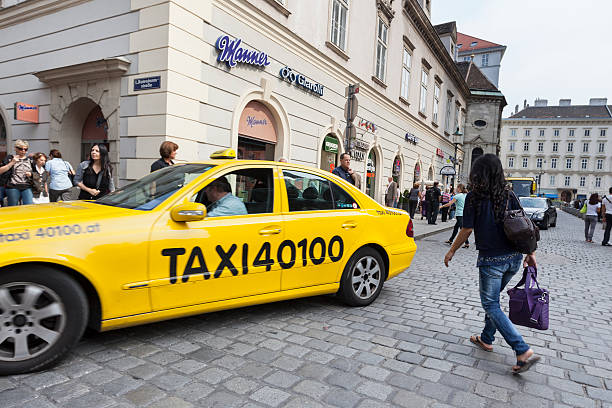
In previous studies, Austria is often cited as a case in which digitalisation and platformisation via Uber were successfully integrated into a coordinated market economy through corporatist regulation. Our Vienna case study qualifies this view, adding to our knowledge on the dynamics of industrial relations in face of transformations in the labour markets. While the 2019–2020 reforms formally embedded platform-based ride-hailing into a unified regulatory framework, from 2021 onwards renewed conflict emerged over pricing, representation, and competitive conditions

This case study examines a failed attempt to unify collective labour agreements at Eesti Energia, Estonia’s state-owned energy company, during 2009–2010. The case was selected because it captures a critical historical moment in which market liberalisation, post-socialist institutional legacies, and labour relations intersected in the energy sector.
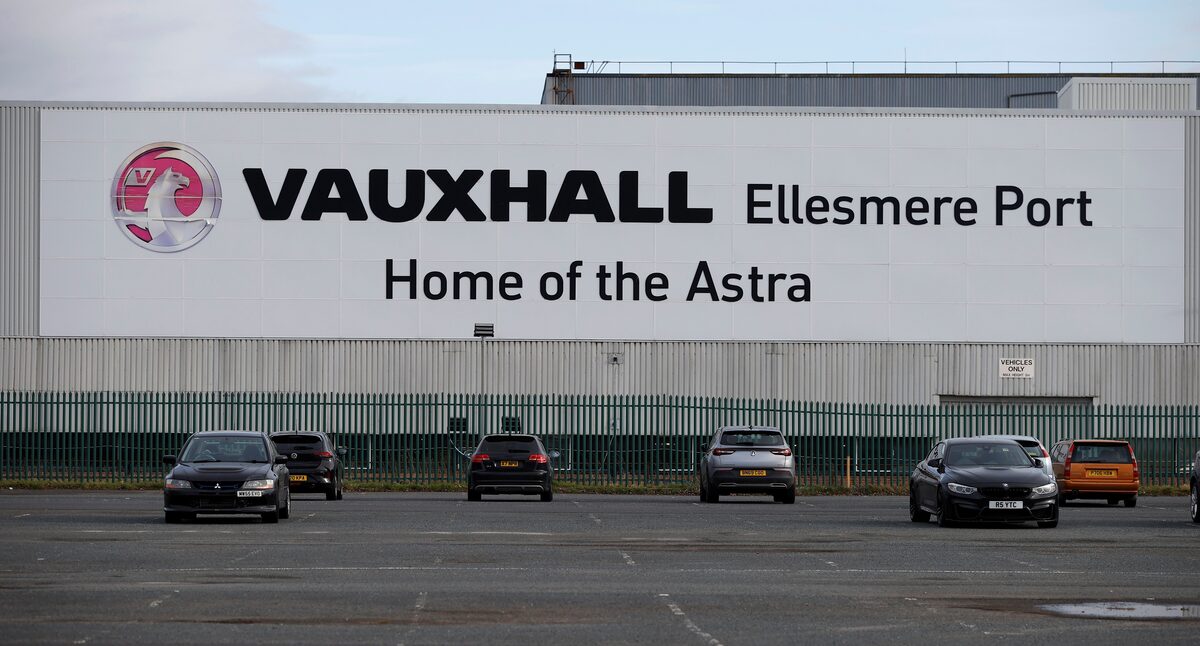
The detailed UK case study analyses the transformation of General Motors' Vauxhall Ellesmere Port assembly plant between 1989 and 2001, focussing on the contested transition from Fordist and Taylorist production to Lean Production. Plant management and trade unions, through contested negotiations, were the main actors shaping the simultaneous technical, social, and cultural transformation of the plant.
In this cycle of blog entries we commence to encapsulate main findings within the D2.2 - historical case study analyses as a part of the WP2. Specifically, we examined the impact of social dialogue on local actors’ responses to transformative processes shaping the world of work.
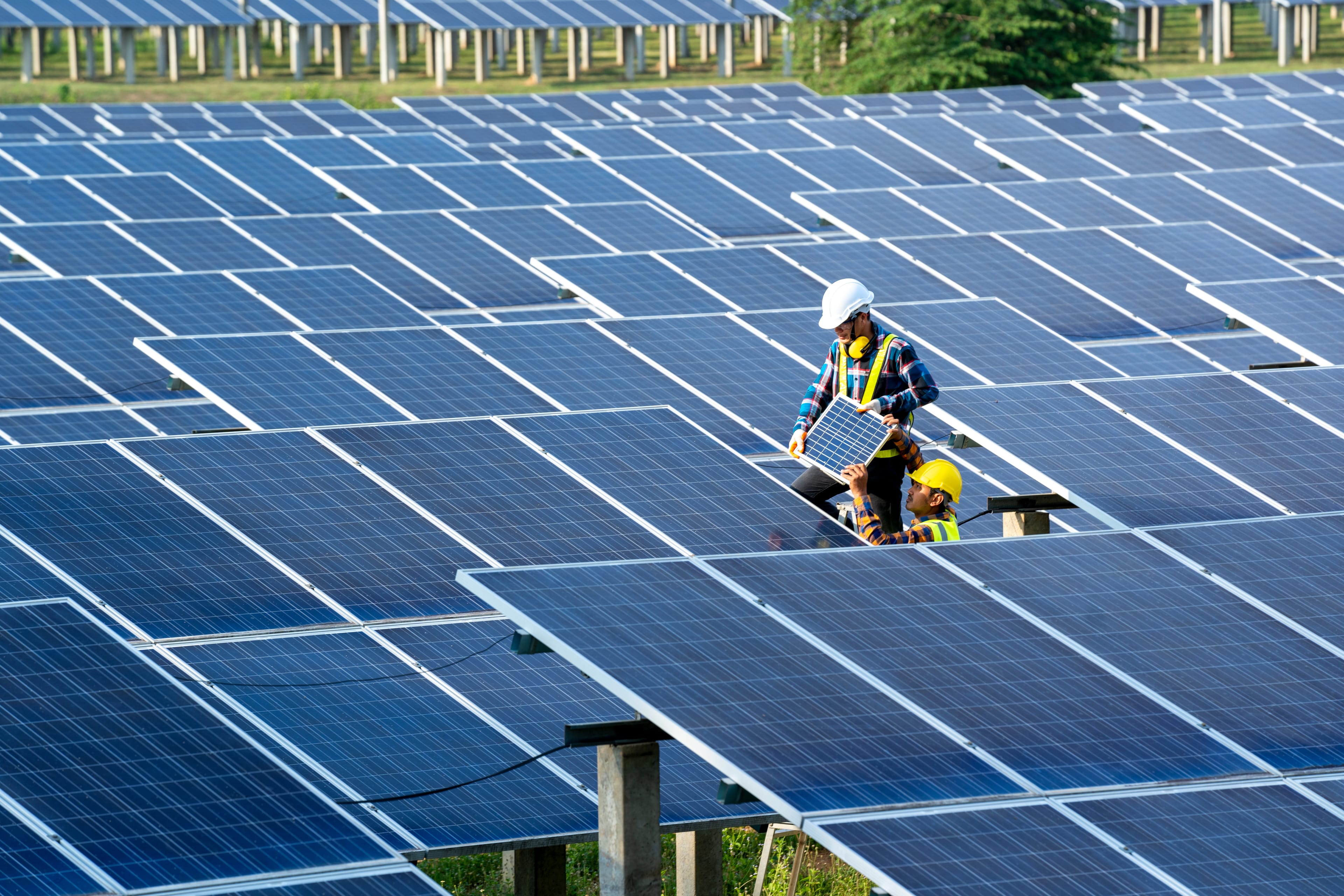
Norway combines substantial natural resources, a robust welfare state, and well-established social partnership institutions. These institutions include comparatively high union and employer organization rates, extensive collective bargaining coverage, and a highly organized collective bargaining model.
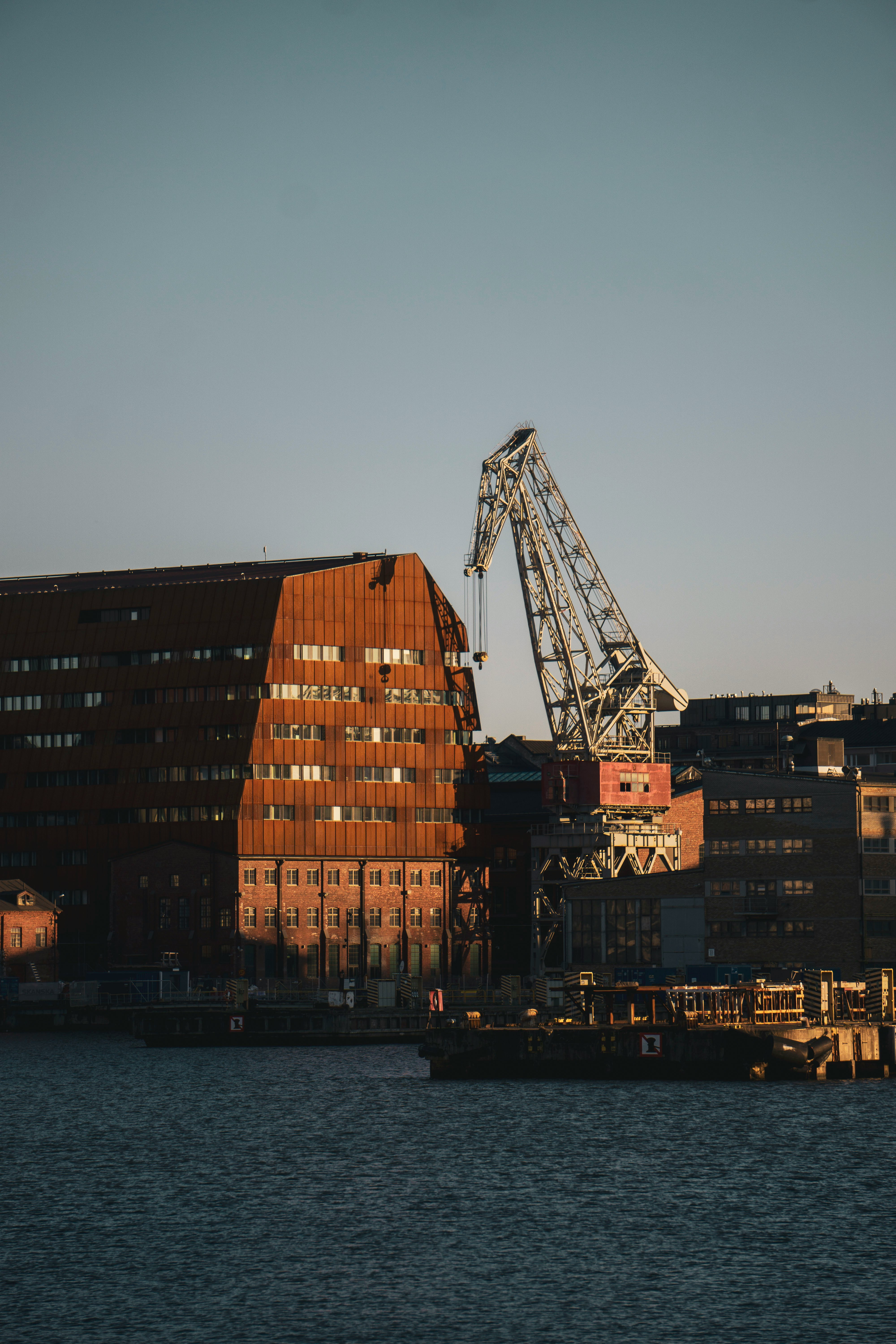
Finland is undergoing a profound economic transformation. How are these changes affecting the labor market, trade unions, and the social welfare model?
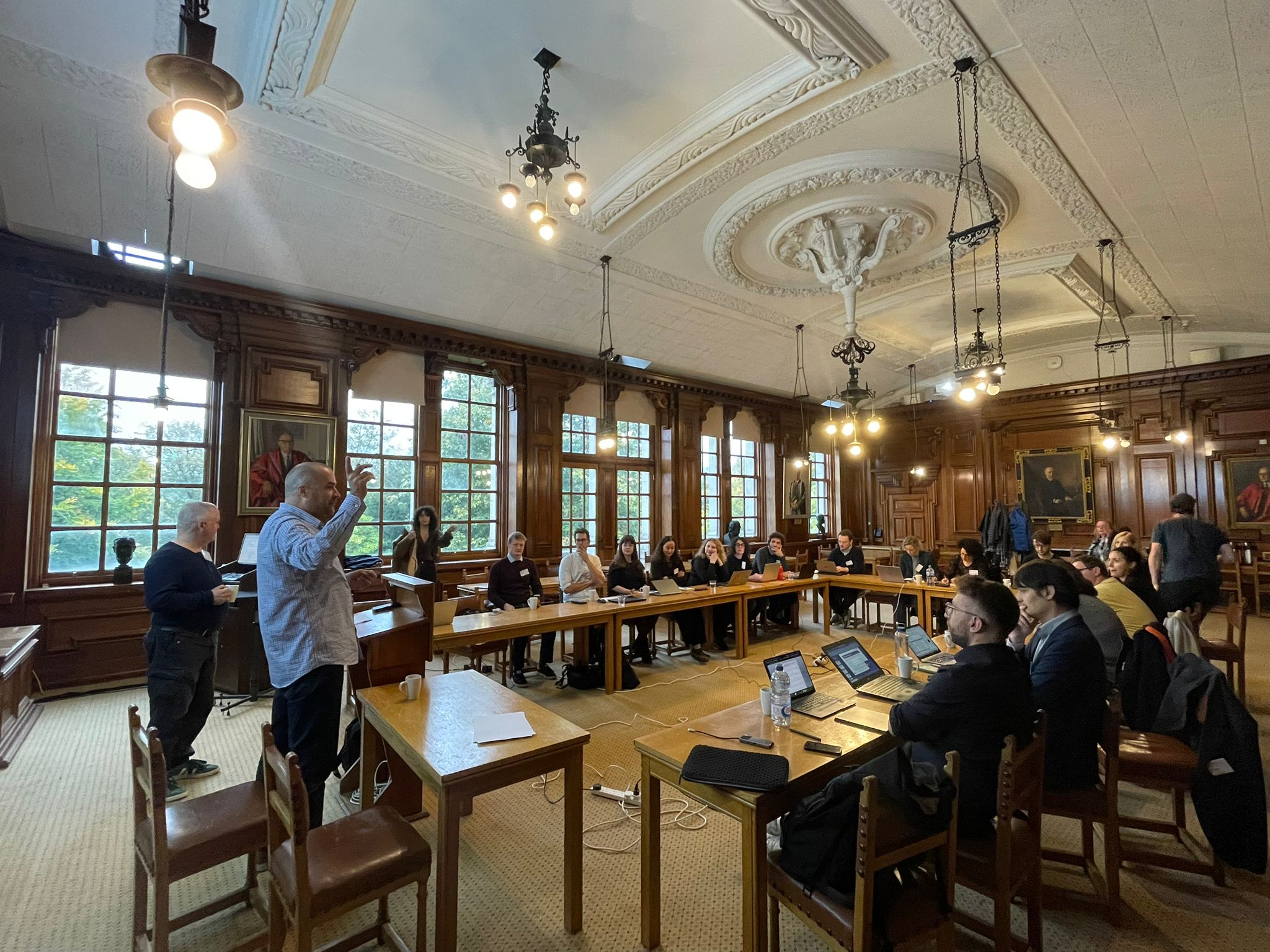
EGRUiEN teams came together in Cardiff for two days of collaboration, discussion, and new insights.
Participation in international events helps bridge research, policy, and practice.
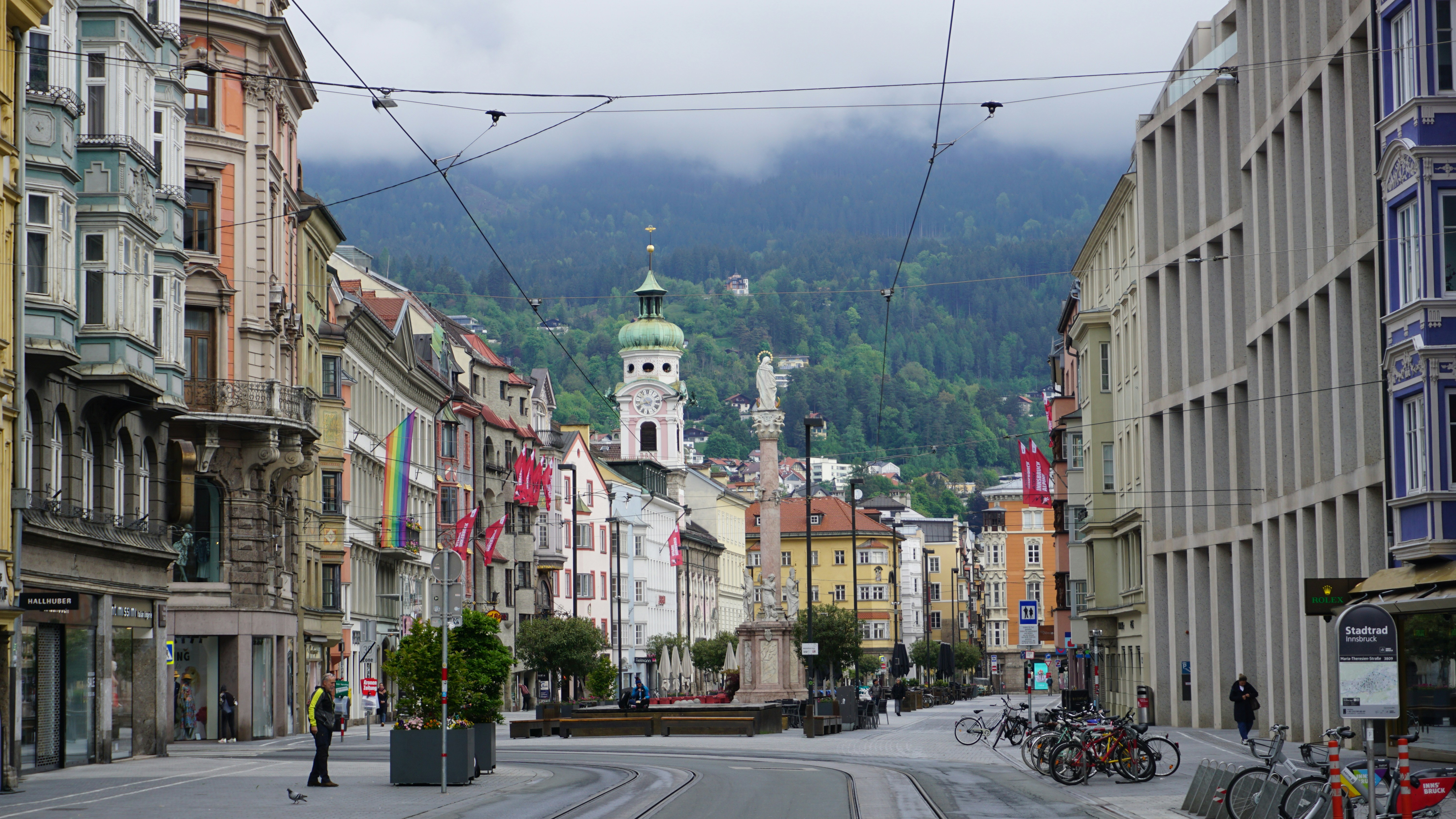
This time, we turn our attention to Austria – a country where cooperation between the government, employers, and trade unions is deeply rooted.