Blog posts - WP2 (tasks 2.1, 2.2)
Below you can find the collection of the short summaries of the national case studies (in the alphabetical order) within the task 2.1 and task 2.2 of WP2. For the details of Work Package 2, please see "EGRUIEN work packages". If you are interested in the more elaborate and scientific reports of our historical case studies, please click here.
The blog posts can be found also in the main page of our website.

Austria’s coordinated market economy has long relied on its strong tripartite social partnership system, which institutionalises cooperation, negotiation, and consensus between employers, employees, and the state. While union density has declined from over 50% in the 1980s to around 27–28% today, collective bargaining coverage remains nearly universal at 95–98%, sustained by compulsory chamber (AK and WKO) memberships. This corporatist framework has cushioned Austria during major crises, including 2008 and COVID-19, when short-time work schemes preserved employment and limited job losses. Yet liberalisation since the 1990s and political disruptions such as the ÖVP/FPÖ coalition weakened the influence of organised labour. In new policy areas like climate change and digitalisation, corporatist advisory patterns remain strong but more pluralised, with NGOs and civil society entering debates. Unions often resist ambitious climate policies for fear of job losses, such as in the case of energy production, and their role in digitalisation has been inconsistent, with contested cases around platform regulation and algorithmic tools in the labour market linked in part also to the ambiguous employment status of workers in the sector
Automotive production: Historically a supplier hub rather than a centre of automotive production, Austria’s auto industry restructured after the 1980s crisis to become highly export-oriented and innovation-driven with dependency to the European supply chains. With clusters in Styria, Upper Austria, and Vienna, the sector now employs about 35,700 directly and supports over 200,000 jobs indirectly in the economy. Electrification and digitalisation are reshaping the industry, with suppliers investing in battery technologies and lightweight materials, but strategic decisions remain tied to foreign parent companies elsewhere. While collective bargaining coverage is close to total, unions have been cautious in balancing green transition goals with concerns about job security.
Energy production: Austria’s energy system shifted from coal to hydropower after WWII and clearly solidified its anti-nuclear stance with the 1978 Zwentendorf referendum. Liberalisation in the late 1990s opened the electricity market, creating competition but also job insecurity in what used to be a highly protected public sector. Today, about 75% of electricity in Austria comes from renewables, with hydropower (55%) still dominant, complemented by wind and solar. Privatisation spurred green investment but weakened job protections, pushing unions to demand “just transition” measures and retraining. Digitalisation is increasingly central to grid management and decentralised energy communities as well as smaller providers, though unions remain wary of rising energy poverty and insecure employment in a liberalised environment.
Long-term care (LTC): Emerging as a crucial policy field in the 1990s, LTC was shaped by the universal care allowance of 1993, which encouraged reliance on informal and live-in care delivered predominantly through intra-EU mobility via foreign carers. As of 2024, roughly 57,000 active live-in carers supported about 28,000 families, with about a total formal employment of about 70,000 workers in the sector. The system remains fragmented, dominated by residential care and marked by chronic staff shortages in both institutional and live-in care settings. Unionisation is relatively high in non-profit and public institutional providers but is far lower in for-profit care and among live-in carers, who mostly work as self-employed. Digitalisation promises efficiency gains, yet broader sustainability challenges include the ecological footprint of migrant care commuting and the financial strain of rising expenditures.
On-demand transport/taxi services:Austria’s taxi industry, once regulated through licence caps, was transformed first by liberalisation in the late 1980s and later by platform disruption from Uber and Bolt in the 2010s. The sector includes about 22,000 drivers, but union density is extremely low (under 1%), leaving drivers exposed to precarious working conditions. The state responded with the 2019 “Uber-Gesetz,” creating unified regulations to curb unfair competition due to the increasing involvement of platform companies in the sector. While platform digitalisation has altered the industry, the upcoming 2025 electrification mandate in Vienna also pushes fleets towards green transition. With limited involvement of social partners, the sector illustrates Austria’s difficulty in reconciling digital and ecological transitions in weakly institutionalised and heterogenous industries.
Authors of the post: Elif Naz Kayran, Nikko Bilitza, European Centre for Social Welfare Policy and Research Vienna
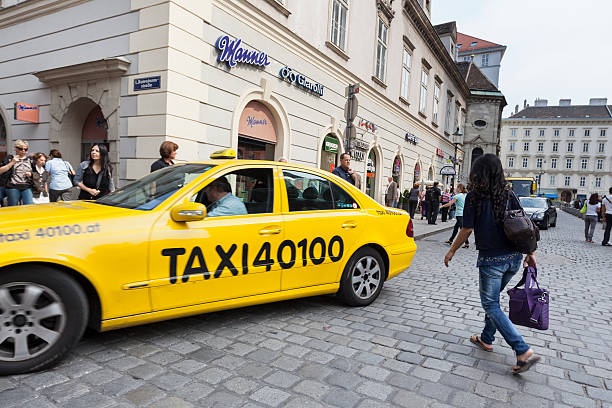
In previous studies, Austria is often cited as a case in which digitalisation and platformisation via Uber were successfully integrated into a coordinated market economy through corporatist regulation. Our Vienna case study qualifies this view, adding to our knowledge on the dynamics of industrial relations in face of transformations in the labour markets. While the 2019–2020 reforms formally embedded platform-based ride-hailing into a unified regulatory framework, from 2021 onwards renewed conflict emerged over pricing, representation, and competitive conditions.
A corporatist sector meets platformisation
Before Uber’s entry in 2014, Vienna’s taxi market was characterised by binding tariffs, strict licensing rules, and dense institutional representation through Austria’s social partnership system. Federal legislation distinguished taxis from pre-booked hire-cars with drivers, assigning them different pricing rules and operational obligations. Uber entered through the hire-car segment, exploiting these regulatory asymmetries to offer cheaper, app-based rides and undercut tariff-regulated taxis.
This produced a systemic shock in a sector highly dependent on regulatory stability for income predictability, particularly among a workforce largely composed of first- and second-generation migrants. Employer coordination through the Chamber of Commerce (WKO), labour representation through unions and the Chamber of Labour (AK), and mandatory collective agreement coverage enabled collective articulation of interests, making the case particularly instructive for examining how digitalisation and industrial relations interact in labour markets.
Based on our analysis of multiple sources of empirical data such as legal decisions, parliamentary minutes and transcripts, media reporting and press releases, and interviews with key actors, we distinguish three phases of social dialogue and bargaining that structured Austria’s response to this transformation.
Phase I (2014–2018) was dominated by zero-sum distributive conflict. Taxi companies, dispatch centres, unions, and grassroots driver groups framed Uber as unfair competition threatening regulated service provision. Mobilisation combined lawsuits, regulatory enforcement, and large-scale demonstrations. Courts played a central role, with repeated rulings against Uber for breaching trade law and operational rules. Grassroots mobilisation by migrant drivers translated income losses into public claims about fairness and legality, intensifying political pressure.
Phase II (2018–2021) marked a shift toward a “win-win” oriented integrative bargaining. Judicial clarity strengthened the position of incumbent actors and opened space for coordination rather than outright exclusion. A cross-class coalition emerged, bringing together taxi firms, self-employed and employed drivers, unions, AK, and WKO around the principle of “equal rules for equal services.” This coalition was mirrored by an unusual political alignment spanning SPÖ, ÖVP, and FPÖ. The resulting reform merged taxis and hire-cars into a single regulatory category, extending licensing, qualification, and reliability requirements while simultaneously legalising platform intermediation. Uber was embedded within the regulatory framework rather than pushed out of the market.
Phase III (2021–2024) is where our analysis departs most clearly from existing accounts. The post-reform period did not stabilise the compromise. Competition policy arguments and consumer choice narratives re-entered the debate, leading to a partial reopening of the settlement. A further amendment introduced differentiated pricing rules: while street-hail and taxi-stand rides remained subject to binding tariffs, digitally ordered rides could be priced in advance within a locally defined price band. Vienna implemented a +/-20 percent corridor, reintroducing distributive tensions at the interface between platforms and drivers.
Implementation politics and renewed contestation
Vienna became the testing ground for the new regime. The price band was presented as a balanced solution combining flexibility with protection, supported by corporatist monitoring and evaluation. In practice, many drivers perceived it as enabling a renewed “race to the bottom,” allowing platforms and intermediaries to undercut fares while formally complying with the rules. Protests, survey evidence, and challenges to WKO’s representational role show how conflict shifted from questions of legality to disputes over who bears the costs of flexibility.
While price gaps narrowed and some former hire-car drivers benefited from higher regulated fares, competitive pressure intensified for others, particularly when intermediary fees and rising operating costs are considered. Dissatisfaction increasingly focused on tariff design, implementation, and voice within corporatist institutions, revealing intra-sectoral conflicts layered onto the earlier platform dispute.
Authors of the post: Elif Naz Kayran, Nikko Bilitza, European Centre for Social Welfare Policy and Research Vienna

Kairit Kall and Eeva Kesküla from our Estonian team describes Estonia’s socio-economic transformation since the early 1990s, highlighting its shift to a liberalized, Western-oriented economy, marked by privatization, EU and NATO integration, and digitalization. While this brought strong GDP growth, foreign investment, and global recognition as a “digital nation,” it also deepened regional, ethnic, and other social inequalities. The report explores Estonia’s fragile labour relations system and stresses the tension between Estonia’s celebrated innovation narrative and the persistent inequalities and vulnerabilities left unresolved.
The report’s special focus is on Ida-Virumaa, a deindustrializing, Russian-speaking region struggling with unemployment, depopulation, and low wages. It is a region where Estonia’s energy sector - shaped by the reliance on carbon-intensive oil shale - is concentrated. Estonia's energy production is geographically, infrastructurally, and culturally tied to Russia due to its Soviet-era legacy. Furthermore, the persistence of monopolistic state-run mining and energy industries has preserved relatively powerful trade unions, unlike in most other economic sectors.
The taxi industry (on-demand transport) shifted from precarious self-employment under traditional firms to even looser arrangements with the entrance of ride-hailing platforms like Taxify (Bolt) and Uber, which left drivers responsible for taxes and often without social protections. Since the mid-2010s, these platforms have grown rapidly through aggressive pricing and deregulation, expanding into food delivery while undermining traditional taxi services. In 2017, the amendments to the Public Transport Act legalized ride-hailing and deregulated the taxi industry, including lowering entry barriers and declining professional standards. Collective resistance of drivers has been weak, partly due to the large supply of available drivers, a general perception of trade unions as weak, and the risk of being blocked by the app for speaking out or resisting.
Estonia’s automotive industry has been and has remained very small, and the country has not built up the complex, competitive manufacturing industries necessary, for example, to attract automotive FDI. The industry is dominated by a handful of SMEs producing vehicle components and by niche manufacturers of special vehicles. Unions exist in a few bigger suppliers, although research on their role has been relatively limited. One of the biggest and unionised actors has been AS Norma (owned by Autoliv, a Swedish automotive safety supplier), currently producing rolls, straps, locks, height regulators, and collision locking tongues, for example, for Volvo, Scania, Volkswagen.
After regaining independence, Estonia restructured its Soviet healthcare system into a Bismarck-style social health insurance model, with mandatory participation covering nearly all residents. Rising life expectancy, population decline, and costly medical advances have since strained financing, leading to long waiting times and debates over private insurance alternatives. Long-term care remains underdeveloped, characterised by families providing most support; limited nursing home availability, and informal platform-based care work. Despite challenges, healthcare stands out for its institutionalised social dialogue, with sector-level collective agreements and active unions, achieving tangible improvements for caregivers and nurses.
Authors of the post: Kairit Kall, Tallinn University

This case study examines a failed attempt to unify collective labour agreements at Eesti Energia, Estonia’s state-owned energy company, during 2009–2010. The case was selected because it captures a critical historical moment in which market liberalisation, post-socialist institutional legacies, and labour relations intersected in the energy sector.
Although the negotiations took place more than a decade ago, they offer valuable insights for EGRUiEN’s focus on contemporary energy transitions. The case shows how structural reforms driven by European market integration, rather than technological change, can reshape social dialogue in profound ways. It also demonstrates how historically rooted understandings of fairness, welfare, and worker representation continue to shape responses to energy-sector transformation, including those linked to the Green Deal and Just Transition policies.
At the centre of the case was Eesti Energia’s effort to merge eight separate collective labour agreements into a single, standardised contract. Management framed the initiative as a move toward efficiency, transparency, and modern corporate governance in preparation for competition in a liberalised European electricity market.
Trade unions approached the process from a different perspective. Many were institutional continuations of Soviet-era workplace unions and remained particularly strong in the Russian-speaking industrial region of Ida-Virumaa. For these unions, collective agreements were not merely instruments for regulating pay and working time, but part of a broader welfare system tied to workplace communities and historical entitlements.
The negotiations brought together Tallinn-based, Estonian-speaking managers and predominantly Russian-speaking union representatives from mines and power plants. Linguistic barriers, unequal access to information, and limited familiarity with each other’s working realities contributed to mistrust and made compromise difficult.
Two issues became emblematic of the broader conflict: Christmas bonuses and subsidies for access to a former enterprise-owned health facility. Management viewed these benefits primarily as financial costs that needed to be rationalised or replaced with performance-based incentives. From this perspective, fairness was associated with standardisation, fiscal responsibility, and differentiation based on individual performance.
Unions, by contrast, understood fairness in collective terms. They argued that all workers contributed to the company’s profits, particularly during a period of high workloads and strong export revenues, and should therefore share in the benefits. Performance-based pay and selective bonuses were seen as unjust and socially divisive, especially in physically demanding and hazardous working environments.
The attempt to centralise the agreements ultimately failed, and negotiations returned to the local enterprise level. However, the process had lasting effects. It strengthened communication between previously fragmented unions, sharpened awareness of inequalities within the company, and contributed to a shift away from cooperative, welfare-oriented unionism toward a more adversarial and autonomous stance.
The Eesti Energia case is highly relevant for understanding current green and digital transitions because it shows how large-scale systemic change can falter when social and historical dimensions are treated as secondary. Like today’s decarbonisation and digitalisation processes, the 2009–2010 reforms were driven by European integration, new regulatory frameworks, and managerial rationalisation rather than by technological change alone. The case illustrates that transitions reshape not only production systems, but also expectations about work, value, and fairness.
For regions such as Ida-Virumaa, now central to just transition debates, the study highlights how workers’ trust, participation, and acceptance of change depend on whether transitions acknowledge past contributions, address centre–periphery inequalities, and support meaningful social dialogue across linguistic and cultural divides. Without this engagement, green and digital transitions risk reproducing conflict and resistance in precisely the regions they aim to transform.
Author of the post: Eeva Kesküla, Tallinn University
Finland, a country of modern technology and the Nordic welfare model, is currently facing a profound restructuring of its economy and labour market. From the electrification of the automotive industry and the development of renewable energy, through reforms in the public care sector, to the deregulation of transport and the expansion of digital platforms, each of these processes shows how dynamically the balance between the state, the market, and the world of work is changing.
The Finnish socio-economic development has been shaped by a rapid but late industrialization, the implementation of Nordic welfare state model, and later shifting from manufacturing and heavy industry towards knowledge-based and service work. Global recessions and geopolitical crises have slowed down Finnish economic growth since the 2008 financial crisis.
The automotive production
The automotive production has remained on a small scale compared to other European countries, although Finland nonetheless has some local automobile production. The Valmet Automotive Uusikaupunki car factory has been in operation since the 1960s, originally a joint venture between Valmet and Saab Automotive. It is currently majority owned by the Finnish state. It assembles cars as a contractor producing for various OEM brands (such as Mercedes). It remains as an important local employer regardless of waves of hirings and layoffs, depending on contracts and production volume. Valmet Automotive workers have union representation, and the national technology industry collective agreement is applied at the workplace. Valmet Automotive has expanded their field of expertise to car battery manufacturing in Finland and Germany as a response to the electrification of cars and transport. Additionally, private Sisu-Auto manufactures trucks and military vehicles.
The energy sector
The energy sector has been shifting towards renewable energy production, although nuclear power remains an important piece of the energy mix. Many coal plants have been closed, and Finland’s only domestically extracted fossil fuel, peat, is also being phased out. Wind power has been expanding rapidly, accelerated by policy incentives and subsidies. Finland has a significant amount of hydropower, but with little potential for expansion, since most good locations for hydropower capacity are already in use. Considerable biomass electricity powerplants were built in recent years. This has been controversial due to skepticism about the availability of fuel and its ecological sustainability. Electrification and planned datacenters around the country will increase demand for electricity production while the war in Ukraine has highlighted the need for energy security. The workers in the legacy energy production are unionized, although it is unclear how much renewable energy sites will employ current workers, and whether they will be unionized.
Care sector
Finnish care sector has undergone significant changes in the last few decades. Majority of care services are provided by the state. The population is ageing, and birth rates are declining, causing issues with demand and supply. The recent restructuring of social sector into well-being service regions has created a situation where some regions have cut their care services and laid off employees to make their budget targets, sometimes causing local unemployment for care workers and nursing staff. The need for health care personnel persists but paradoxically they might not find employment. Union representation of health care workers is vocal and well-established, although they do not enjoy significant power in negotiation settings. Budget cuts and layoffs could end up forcing care workers to accept worse working conditions and wages, while more vulnerable workers could be taken advantage of. New technologies are introduced in the care work, such as monitoring safety devices, and medicine dispensing robots. Applications are more central to care work, as well as remote healthcare services, changing the way care work is being done.
On-demand transport
On-demand transport sector used to be highly regulated in terms of taxi services, and operators required licenses which were limited in numbers. Ride-hailing company Uber lobbied politicians hard in 2014-2018 to renew the taxi laws. As a result, in 2018, taxi regulations were abruptly deregulated, fundamentally transforming the industry as the entry threshold dropped from very high to very low. New taxi operators and ride-hailing service providers, such as Yango and Bolt, entered the market. Taxi drivers were mostly unionized before 2018, while platform workers are not widely presented by unions. However, ride-hailing drivers have been vocal about their working conditions and even held a demonstration in 2024 in Helsinki to improve working conditions and for fair wages. It remains to be seen whether taxi drivers’ union will open their doors to ride-hailing drivers or if they will unionize separately. As of 2025, the competition between taxis and ride-hailing services is intense and prices between independent taxi entrepreneurs, established taxi companies, and ride-hailing services vary significantly. Some changes in the taxi laws are expected later in 2025.
Author of the post: Sarah Tornberg, University of Jyväskylä
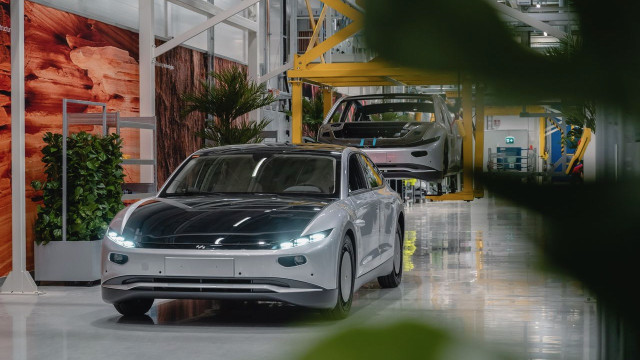
The Finnish case examines Valmet Automotive amidst increasing global competition and developments in the automotive sector. As Finland’s only major passenger car manufacturer, the Uusikaupunki factory is a unique case as their operation relies on contract production for established car brands rather than manufacturing its own models. The factory is regarded as an important industrial employer with highly unionized workforce.
The focus is on understanding the reasons causing disruptions at the factory between 2003 and 2023, and how these changes were negotiated between employee representatives and factory management. After their decades-long partnership with Saab ended, the Uusikaupunki factory transitioned from relatively secure employment to an era of uncertainty, marked by multiple rounds of layoffs and declining job stability. This era was followed by a major manufacturing contract with Mercedes-Benz in the 2010s, marking the beginning of a prosperous period for the factory, characterized by labor shortages and mass recruitment of new employees. Global crises and issues with production chains grinded the positive development into a halt in the early 2020s, resulting in large staff reductions.
The data utilized in this study consists of media sources, publicly available institutional documents, annual business reports, and research interviews. The analysis delves into how Valmet Automotive attempted to adapt and maintain competitiveness with increased automation, describes the employee representatives’ reactive approach to the transitions and how shifts in global automotive industry affected the well-established company and its workforce. Layoff and furlough negotiations were characterized as having rather integrative, trust-based, and problem-solving atmosphere, despite distributive issues and occasionally difficult negotiations. The employee representatives attempted to minimize the number of layoffs and find alternative solutions with the management, although the introduction of temporary agency workers created new dynamics between the rank-and-file workers, shop stewards and factory managers. Although industry-wide collective agreements framed the negotiation process, they shielded Valmet Automotive’s core employees more than agency workers, who were the first to face furloughs and layoffs when production declined.
Due to the pace and unpredictability of change, industrial production faces challenges as it attempts to adapt to green transition, remain competitive, and predict shifts and trends in consumer preferences and global automotive sector. While the need for skilled workforce remains, the fiscal pressures and broader policy-driven weakening of social security for dismissed workers will likely diminish the labor unions’ negotiating power. While transparency and mutual trust are essential for fostering positive relationships between negotiating partners, they could be strained by the continual and sudden cycles of recruitment, furloughs and layoffs.
Author of the post: Sarah Tornberg, University of Jyväskylä
From an agriculture-based economy to services
Italy’s economic and social landscape has undergone profound transformations, shifting from an agriculture-based economy to industrialization and, more recently, to services. While living standards and education improved significantly, persistent territorial and social disparities remain, especially between Northern and Southern Italy.
Automotive: Once centered around Fiat, now part of Stellantis, the sector faces major pressures from electrification and digitalization. Employment has declined sharply, especially among suppliers, and social dialogue has weakened, raising concerns about just transition and regional inequalities.
Energy: The sector moved from a state monopoly to a liberalized market with strong public oversight. Renewables now cover over 40% of electricity demand, yet Italy remains dependent on fossil fuel imports. The green transition brings uneven regional impacts, with job losses in coal-dependent areas and new, often precarious, jobs emerging in green technologies.
Healthcare and Care Services: While Italy’s universal healthcare system is a cornerstone of welfare, decentralization has created significant regional disparities. Long-term and elderly care rely heavily on families and migrant labor, with growing privatization and workforce precarity.
On-Demand Transport: The rise of platforms like Uber has sparked regulatory conflicts with traditional taxi services. Recent agreements show a shift toward cooperation, but issues of algorithmic control and workers’ rights remain unresolved.
Author of the post: Davide Bisi, University of Parma
Norway combines substantial natural resources, a robust welfare state, and well-established social partnership institutions. These institutions include comparatively high union and employer organization rates, extensive collective bargaining coverage, and a highly organized collective bargaining model. Current tensions stem from key sectoral issues. The oil and gas sector generates substantial public revenue, yet it complicates Norway’s ambitions for a green transition. Automotive supplier firms face international competition while policymakers promote a nascent domestic battery industry. Care services are the country’s largest employer, yet they remain undervalued and understaffed. Platformization in on-demand transportation reveals regulatory and representation gaps. Managing these transitions through coordinated social dialogue, active industrial policy, and targeted labor measures is key to securing fair, green, and inclusive outcomes.
Historically, Norwegian automotive production has been small compared to that of larger European car manufacturing nations. This reflects Norway’s relatively limited domestic market and its focus on the maritime, energy, and industrial sectors. Although Norway lacks the large-scale car manufacturing of Germany or France, it has developed expertise in niche areas, particularly electric vehicle (EV) production and components, as well as specialized vehicles.
Energy production in Norway is dominated by hydropower for domestic electricity and oil and gas for exports. State ownership remains central. Statkraft dominates renewable production, and Equinor (partly state-owned) leads the oil and gas industry. This creates a paradox: Norway is a leader in renewable electricity and a global climate actor yet remains dependent on petroleum revenues (Korsnes et al., 2023; Sandal, 2023). Historically, the sector has had different union dynamics than other industries. Early offshore work attracted maritime workers, and wages were high. Initially, company-based unions proliferated before consolidating into unions like SAFE, which affiliated with YS. There are significant transition risks: the 2014 oil price shock resulted in substantial job losses in oil-related industries, and there is ongoing debate about electrification, offshore wind expansion, and how to reconcile emissions targets with continued petroleum activity.
Care and health services are now Norway’s largest employer sector, with over 400,000 workers, and have experienced the fastest employment growth in recent decades. The workforce is predominantly female and includes a significant proportion of immigrants, with a wide range of occupational categories, from university-educated nurses to healthcare workers and unqualified care staff. Major pressures include staffing shortages, retention problems among new nurses, rural recruitment gaps, and demand from an aging population. Digital and organizational innovations have been proposed, but they will require sustained policy and workforce investment.
The taxi market exemplifies the tensions between regulation, platform entrants, and labor protections. Historically, the sector was tightly regulated with limited licenses and mandatory taxi centers. It faced disruption when Uber entered the market in 2014 and when market rules were later deregulated. This led to platform competition, disputes over working conditions, low union density in the sector, and legal and policy pushback, which culminated in new regulations that reintroduced taximeters and other controls.
Norway’s labor market rests on robust social partnership institutions, a redistributive welfare state, and resource wealth. Together, these factors have shaped comparatively inclusive labor outcomes. The green transition creates opportunities in areas such as batteries, offshore wind, and electrification, but it also poses risks, including job losses, stranded assets, and regional impacts.
Author of the post: Ines Wagner, University of Oslo
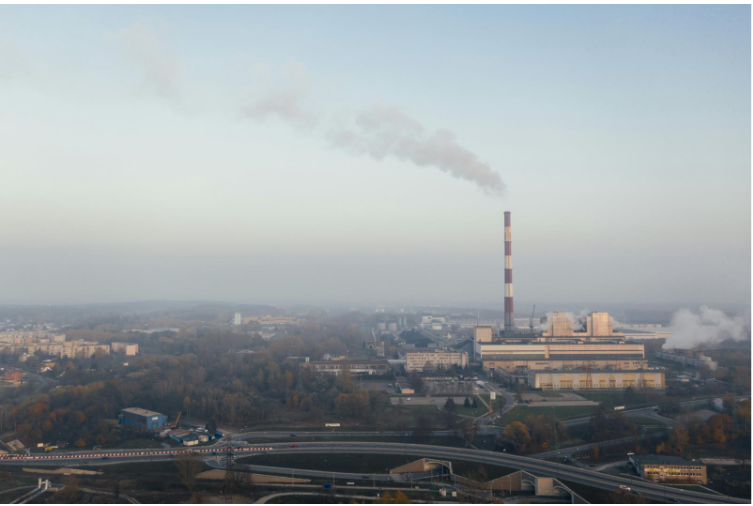
From coal to cars: the economic transformation of Upper Silesia (1990–2024)
When we think about the biggest economic changes in Poland over the last few decades, Upper Silesia – once the heart of the coal and heavy industry – is one of the most vivid examples. The changes that have taken place in the region say a lot about the broader context of Poland's transformation.
Before 1989, Poland was dominated by a centrally planned, state-controlled economy. Industry was outdated, wages were not linked to productivity, and by the end of the 1980s, the system collapsed under the weight of debt and hyperinflation. After 1989, the government introduced ‘shock therapy’ consisting of price liberalisation, privatisation of state-owned enterprises and cuts in subsidies and grants. This stabilised the economy but caused a number of difficulties, including on the labour market, where unemployment rose to over 20% in 2003.
Poland's accession to the EU in 2004 marked a turning point. Poland received almost €250 billion from EU funds. GDP doubled, unemployment remained low, and Poland ranked among the fastest growing economies in the EU, just behind Ireland and Malta. The structure of the economy has changed radically: services now account for around 60 per cent of GDP, industry around 30 per cent and agriculture only 2-3 per cent. The Polish labour market is characterised by flexibility. Many people are self-employed or work on fixed-term contracts, and although the number of temporary workers has declined over the last decade, precarious employment remains widespread. At the same time, unemployment has fallen to one of the lowest levels in Europe, currently standing at around 3%. Trade union membership is weak, collective bargaining rather rare and mainly limited to the public sector. Employers' organisations are stronger but fragmented. Social dialogue mechanisms exist at the sectoral level, but their effectiveness is limited and often depends on the political context rather than balanced negotiations. As a result, the government dominates labour market policy-making.
Upper Silesia provides a good lens through which to analyse changes in four key sectors of the EGRUiEN as the region has undergone one of the most striking transformations. For decades, the region was dominated by the coal and energy industries. Once heavily dependent on coal mining, the region has undergone several waves of restructuring since 1989. Mines have been closed, employment in mining has fallen from almost 400,000 to less than 100,000, but coal still accounts for the majority of Poland's energy production.
The automotive sector has become the second most important industry, but it is also characterised by instability and strong dependence on foreign investors. At the same time, new industries are developing, such as finance, real estate, IT outsourcing and global business services. The European Green Deal is already driving another wave of change, with a gradual transition from combustion engines to hybrid and electric cars.
The transformation also had a social dimension. Workers and trade unions had limited influence on key decisions, but their voice still mattered. Through strikes, protests and social dialogue, they shaped part of the debate on how the region should develop.
In the energy sector, studies show conflicting assessments of collective agreements. Some see dialogue between trade unions, employers and the government as a positive force supporting productivity and competitiveness. Others argue that social dialogue has been abused to delay difficult reforms, supported by clientelist networks and the bargaining power of miners. This has created a system in which public funds have covered the losses of unprofitable mines for decades. Trade unions in the mining sector remain strong, giving workers a powerful voice in shaping restructuring. Negotiations have sometimes resembled cooperation aimed at preserving jobs, but overall results have been mixed, as the country still covers around 70% of its energy needs with coal.
The care sector presents a different picture. After 1989, it underwent waves of liberalisation and partial privatisation. Employment in the health service currently stands at over 750,000, but the workforce is ageing, with over half of doctors and two-thirds of nurses aged over 50. Trade unions in the healthcare service are relatively strong compared to other sectors, covering around 20% of workers, and large organisations of nurses and doctors are active in protests. There have been repeated strikes, including by young doctors and nurses demanding better pay and working conditions. Despite reforms, the health service continues to suffer from staff shortages, underfunding and a widening gap between public and private services, which, rather than resolving the chronic crisis in public services, is exacerbating it.
On-demand transport reflects yet another model, one of almost complete liberalisation. Since the 1990s, the number of taxi companies and licences has risen sharply, many drivers are self-employed, and the sector is fragmented and unstable. Deregulation has encouraged the spread of unlicensed operators and, since 2014, global platforms such as Uber and Bolt. These companies rely on precarious contracts and migrant labour, with little regulation and no tradition of collective bargaining. Protests by professional taxi unions are common, but social dialogue is virtually non-existent. Recently adopted legislation, including the so-called LexUber, attempts to impose basic licensing and safety requirements, but the sector continues to face legal loopholes and widespread abuse.
In Upper Silesia, the combination of mine closures, factory restructuring and poor public services has caused serious social problems. In the 1990s and early 2000s, heavy industry experienced mass layoffs, leading to poverty, social exclusion and migration. Women and children were particularly affected, and sociologists describe the feminisation of poverty in the region. Over time, thanks to the support of the Katowice Special Economic Zone, new jobs were created in the automotive and service industries, but many of these were less stable and less well paid than the traditional mining jobs they replaced.
At the company level, the contrast between Jastrzębska Spółka Węglowa and Polska Grupa Górnicza shows different paths of development. JSW, which focuses on coking coal for steel production, has proved more efficient and profitable, while PGG, a state-owned supplier of energy coal, has survived only thanks to consolidation and state support. Both companies are strongly unionised, and their restructuring is shaped by frequent protests and complex negotiations.
The automotive industry in Upper Silesia followed a different path. The Fiat and Opel plants, now owned by Stellantis, became central to the region's economy. However, they too have gone through multiple cycles of layoffs, production cuts and restructuring. Workers have often resorted to strikes and protests when dialogue failed to produce results. The transition to electric vehicles introduces new uncertainty, as most Polish plants still focus on combustion engines. Investments in hybrid and electric vehicle production are starting, but component factory closures and job cuts are continuing.
The history of Upper Silesia reflects Poland's broader journey from a coal-based economy to a modern and diversified economy, from state planning to the dynamic growth of the EU market, and from economic turmoil to one of the most resilient economies in Europe. It is a transformation full of challenges, but also lessons for other regions facing industrial change.
Overall, Poland's experience highlights the complexity of economic transformation in a post-communist context. A flexible labour market and foreign investment have contributed to economic growth and job creation, but weak social dialogue and limited trade union influence have left many workers in a precarious situation. The history of mining and the automotive industry in Upper Silesia illustrates both the potential for renewal and the costs of restructuring, where government decisions and global markets have a greater impact on the future of the labour market than collective bargaining.
Author of the post: Olga Gitkiewicz, University of Wrocław
In this cycle of blog entries we commence to encapsulate main findings within the D2.2 - historical case study analyses as a part of the WP2. Specifically, we examined the impact of social dialogue on local actors’ responses to transformative processes shaping the world of work. Special attention has been paid to to the long-term effects of the unfolding transformations and assessing how social dynamics have affected equality. We also described the policy debate and social dynamics present in each case context with a focus on: challenges discussed in the public discourse; proposed solutions; socio-economic equality and inclusivity considerations; and reflections of confrontation or consensus seeking in social debate.
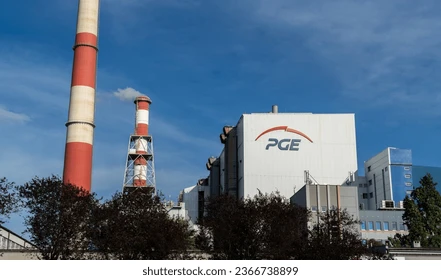
The first case study analyses the Polish coal sector by comparing two state-controlled companies: PGE Górnictwo i Energia Konwencjonalna (lignite mining) and Polska Grupa Górnicza (hard coal mining). Although both companies operate within the same national and EU policy framework, they show different trajectories of transformation.
The Polish case shows the dynamics of social dialogue and collective bargaining in Poland’s hard coal and lignite industries during the green transition, focusing on the comparison of the two companies: PGE (lignite mining) and PGG (hard coal mining).
PGE Górnictwo i Energia Konwencjonalna (PGE Mining and Conventional Generation) is a part of the PGE capital group, a Polish energy giant which, since 2020, has been implementing a strategy of transition to renewable energy sources with a significant (albeit less visible) role for digitalization. On the other hand, we selected Polska Grupa Górnicza (PGG) (Polish Mining Group), a company controlled by the State Treasury and located in Upper Silesia. It is a key organisation in the transformation processes of the Polish mining industry, and, at the same time, it is at the centre of major disputes between workers and trade unions and employers and, in the longer term, the state, represented by successive governments. Main rationale behind the decision to compare these two companies is as follows:
1) Ability to observe shifting between integrative to distributive bargaining as the social dialogue in each industry can be assessed ambiguously;
2) the green transition embedded not only in structural transformation of the country’s energy mix and employment in the mining sector, but also related to the political conflict (climate policy).
Based on secondary data, media sources, institutional documents, and an expert interview with a union leader the analysis reveals contrasting trajectories of transition. PGE pursued a managed transformation, integrating decarbonisation strategies with the Social Agreement signed in 2023 that provided employment protection, including severance pay, energy and miners’ leaves. Conversely, PGG exemplifies disrupted adaptation.
While the 2021 Social Agreement set a closure schedule to 2049 and guaranteed social protections, implementation remains partial, reflecting strong union leverage and politicized governance. Both cases illustrate oscillations between distributive and integrative bargaining, with attitudinal structuring evident in union-led negotiations in PGG in 2020-2021 period. Outcomes underscore the critical role of state ownership, political alliances, and EU conditionalities in shaping transition governance. The case analyses concludes that effective policy must combine long-term planning, robust social safeguards, and active labour market policies to mitigate risks of “passive transition” and ensure socio-economic stability in mono-industrial regions.
Author of the post: Szymon Pilch, University of Wrocław

Slovakia’s modern socio-economic development is shaped by its late but intense industrialisation and its turbulent post-socialist transition. Once the less developed part of Czechoslovakia, Slovakia saw rapid growth in heavy industry, arms, and automotive manufacturing under state socialism, though often at the expense of agriculture and living standards. By 1989, over one million people worked in industry and construction, but inefficiency, technological lag, and poor competitiveness left the economy vulnerable at the regime’s collapse.
The 1990s transition to a market economy brought deep social costs: mass unemployment, inflation, and widespread bankruptcies. Privatisation, often chaotic and poorly regulated, created opportunities for asset stripping as well as for foreign investors, while trade unions faced sharp declines in membership and influence.
By the 2000s, however, Slovakia had stabilised, joining the EU and attracting large inflows of foreign direct investment, particularly in the automotive industry. This sector has become the flagship of Slovakia’s export-oriented model, making the country the world’s largest per capita car producer by the early 2010s. Yet dependence on foreign capital and low-cost labour has produced vulnerabilities: dualisation of the labour market, weakened collective bargaining, and regional disparities in employment.
Union density has fallen dramatically since 1989, from over 30% in 2000 to around 11% in 2018, while collective bargaining remains fragmented and often limited to company level. The national union confederation KOZ SR and its largest affiliate OZ KOVO continue to play important roles, but the system as a whole struggles with low coverage and a weak capacity to shape restructuring.
Sectoral developments
Automotive: The sector is Slovakia’s economic backbone, employing around 170,000 workers directly and accounting for over 9% of GDP and 40% of exports. Anchored by Volkswagen, Stellantis, Kia, Jaguar Land Rover, and soon Volvo, the industry faces major challenges in the transition to electric vehicles. Labour shortages have led to the recruitment of third-country workers, while automation and electrification threaten job losses. Efforts to attract battery production have sparked public controversy, highlighting tensions between industrial policy, environmental sustainability, and local acceptance.
Energy: Slovakia’s energy system relies heavily on nuclear power (over 60% of electricity generation) and remains dependent on imports for more than half of its energy needs. The Horná Nitra region, once the country’s centre of coal mining and coal-based electricity, completed its coal phase-out in 2023. The closure ended more than a century of mining but raised employment challenges, partly mitigated by diversification into automotive suppliers and EU Just Transition support. Renewables, particularly hydro, are growing but remain underdeveloped compared to EU peers.
Care services: Slovakia relies primarily on a family-based model of long-term care, with limited public funding and widespread reliance on informal or low-paid labour. Underfunding, staff shortages, and emigration of care workers to Western Europe exacerbate the “care deficit.” Residential facilities and home-care services are expanding, but precarious working conditions persist. Healthcare faces similar pressures, with chronic shortages of doctors and nurses and ongoing debates about sustainability and workforce retention.
On-demand transport: Ride-hailing platforms such as Bolt and Uber have expanded in Bratislava and other cities, offering flexible services but creating precarious conditions for drivers. Unionisation and social dialogue are virtually absent, and foreign and migrant workers play a visible role. The sector illustrates Slovakia’s broader challenges in addressing non-standard employment and integrating platform work into industrial relations.
Slovakia’s modern socio-economic development is shaped by its late but intense industrialisation and its turbulent post-socialist transition. Once the less developed part of Czechoslovakia, Slovakia saw rapid growth in heavy industry, arms, and automotive manufacturing under state socialism, though often at the expense of agriculture and living standards. By 1989, over one million people worked in industry and construction, but inefficiency, technological lag, and poor competitiveness left the economy vulnerable at the regime’s collapse.
Author of the post: Monika Martišková, CELSI
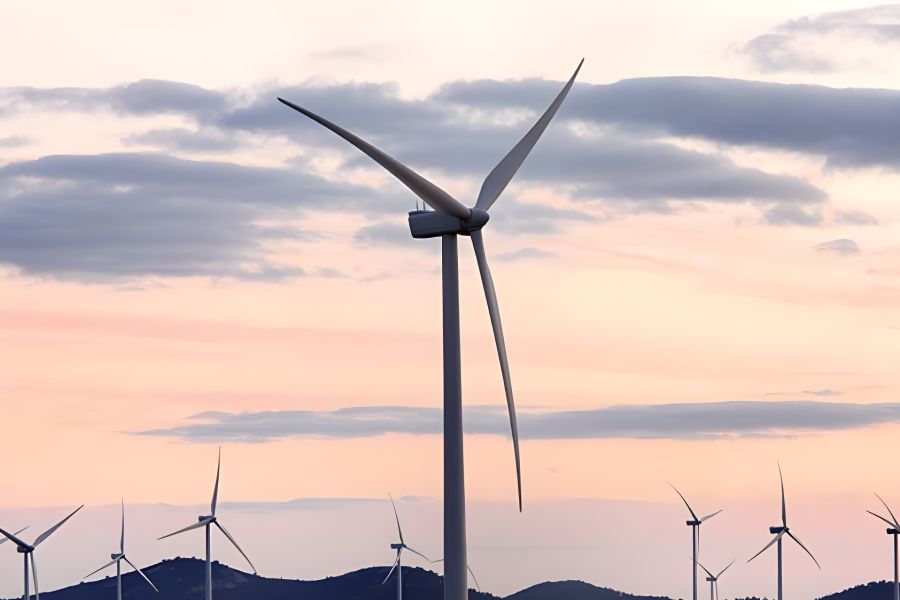
The Spanish case encapsulates the evolution from the uncertainties of industrial and agricultural restructuring to a diversified service economy, but with persistent challenges in terms of social inequalities and employment quality. Indeed, while the Spanish economy is among the fastest growing in the EU, access to housing and the loss of purchasing power have remained structural problems since at least 2008. The industrial relations system in Spain has generally been classified under the so-called state-centre model of industrial relations, with stronger dependence on state regulation. Collective bargaining coverage is relatively high, within centralised but quite uncoordinated collective bargaining institutions. High collective bargaining coverage manly relies on state regulation (mandatory extension mechanisms, etc.) and it coexists with comparatively weak trade unions, which record low densities. Social dialogue has played a key role in coordinating collective bargaining, regulating the labour market and governing socio-economic policy-making. However, Its importance and intensity has evolved in accordance with the economic and political context.
The automotive sector has been a pillar of Spanish industry since the 1960s, consolidating its position as the second largest producer in Europe and ninth in the world, with a majority presence of European and foreign companies. It accounts for around 8% of GDP, although recovery to pre-2008 crisis production levels did not occur until 2016, hampered by the fact that it is a fundamentally export-oriented sector. The electrification of mobility in Spain represents an uncertain scenario for the sector, which is caught between announcements of heavy foreign investment and its slow penetration of the domestic market.
For its part, the on-demand passenger transport sector has undergone a profound transformation since 2014 with the arrival of digital platforms such as Uber and Cabify. The 2009 Omnibus Law partially liberalised the sector by removing restrictions on VTC licences. This led to intense conflict with traditional taxis, culminating in mass protests between 2017 and 2019. Later, a 2018 state decree established the ‘1/30’ rule (one VTC licence for every 30 taxi licences), although the situation varies, as much of the authority lies with the regions and municipalities. These transformations – as well as the trend towards electrification and digitalisation – are a source of tension between the traditional taxi model, based mainly on self-employed workers with municipal licences, and the platform model, but also of uncertainty about the employment model within the platforms.
Employment in the care sector has been growing in economic and social importance for the last twenty years, mainly due to the ageing of the population. In addition, since the 2006 Dependency Law, there has been a trend towards greater formalisation, both in terms of the recognition of rights and in labour relations, although these continue to be marked by economic and legal precariousness. Despite the challenges in terms of funding and training, the current trend is towards a community care model (State Strategy for a New Community-Based Care Model, 2024–2030), as opposed to institutionalisation.
Entry into the EU led to the gradual liberalisation of the electricity and hydrocarbon markets, privatising state-owned companies such as ENDESA and creating independent regulators. The sector is currently undergoing a profound transformation towards decarbonisation, consolidating renewables as the central axis but with persistent technological challenges in terms of storage and self-consumption. Although more than 50% of electricity comes from renewables, up to two-thirds of final energy (electricity, oil, etc.) is still imported and from non-renewable sources. Furthermore, regional inequalities and improving working conditions in the sector are significant challenges.
The report on the Spanish case is rounded off with an overview of the installation of hyperscale data centres in the autonomous community of Aragon. There, Amazon Web Services is developing one of its Availability Zones. The project, which began in 2019 but will see a huge expansion in 2024, will involve an investment of around €18 billion, one of the largest investments in Europe within the sector. The investment is part of the acceleration of the sector and the digital transition, but also of the policies of local and regional administrations to attract investment. Its disruptive effect is twofold: on the one hand, it represents a significant boost to economic activity and the creation of basic infrastructure. On the other hand, however, concerns have been expressed about its environmental and energy impact, and the real scope of its job creation - and the conditions attached to it.
Author of the post: Lorién Jiménez, University of Zaragoza

Labour relations in the UK have undergone a number of radical transformations since the industrial revolution took shape in the middle of the 18th century. After almost 200 years of very limited power afforded to organised labour, trade unions enjoyed a brief period of 30 years in which they were empowered to negotiate on equal terms’ with employers. Since the late 1970s, however, the pendulum has firmly swung back in favour of employers.
A constant and very important element throughout has been the voluntaristic nature of relations between employers and workers as the British state has always been reluctant to get directly involved. The role of the state has, nonetheless, been crucial in shaping labour relations as it defines the wider legal context in which labour relations take place.
For the last 50 years or so, in the wake of profound labour law changes that begun under Prime Minister Margaret Thatcher, the wider legal context in which labour relations play out has curtailed the power of trade unions to such an extent that employers enjoy almost unfettered power to determine all aspects of industrial relations. For example, collective bargaining agreements that were common in almost all sectors of the UK economy and gave trade unions considerable influence over wage growth, have almost entirely disappeared. While there are still ways and means for trade unions to influence labour relations in accordance to their interests, the extent of their influence depends to a large degree on the good will of employers to accept and integrate. Social partnerships, in the sense of a mutually beneficial partnership of equally empowered actors, do therefore not currently exist within the UK and despite recent tentative steps in Wales and, to a lesser extent in Scotland, labour relations in the UK remain significantly skewed in favour of employers.
Social care
Industrial relations in England's social care sector (the largest social care sector in the UK – Wales, Scotland and Northern Ireland have separate systems) devolved system) are characterised by fragmentation and lack of systematic partnership structures, unlike other public services such as the NHS which has established social partnership forums. Trade unions (primarily UNISON, GMB, and Unite) represent workers but face challenges from low unionisation rates due to high staff turnover (over 25%), fragmented structure, and prevalence of small private providers, while employer organisations lobby separately for adequate funding and regulatory reforms. The absence of formal social partnership arrangements and coordinated dialogue between employers, unions, and government may itself constitute a barrier to addressing the sector's fundamental challenges around workforce shortages, financial pressures, and service integration.
Energy sector
Industrial relations in the UK energy sector are fragmented with no significant sector-wide social partnership arrangements for employment issues, despite having two limited tripartite institutions focused on health and safety (National HESAC) and oil and gas transition (North Sea Transition Forum). The sector maintains relatively high unionisation rates at around 31% - a legacy from pre-1979 nationalisation - with unions like Prospect, UNISON, Unite and GMB increasingly focusing on energy transition issues such as job security during decarbonisation and ensuring a 'just transition' for workers. Employer organisations including Energy UK and renewable energy associations primarily engage in separate lobbying efforts with government on transition policies and regulatory frameworks, rather than participating in systematic collective bargaining or partnership working with unions.
Automotive
Industrial relations in the UK automotive sector are predominantly non-confrontational and partnership-based at company level, with trade unions (primarily Unite and GMB, representing approximately 25% of the workforce) and employers working collaboratively through workplace consultation mechanisms and decentralised collective bargaining arrangements. The sector lacks comprehensive formal social partnership at national level, with the Automotive Council UK serving as the only significant tripartite forum, though it functions primarily as industry-government dialogue with limited trade union representation. Current labour relations reflect both diminished union power since the 1970s and mutual recognition of shared interests in maintaining UK automotive competitiveness within global production networks, leading to cooperative approaches on managing industrial transitions, particularly the shift to electric vehicles, with no significant strikes in recent years.
Private on-demand transport
Labour relations in the UKs private on-demand transport sector are fundamentally shaped by the employment status divide and fragmentation between traditional taxi drivers and private hire vehicle (PHV) drivers, with 84% of drivers classified as self-employed and no formal tripartite social partnership institutions existing. The 2021 Supreme Court ruling in Uber BV v Aslam transformed the sector by establishing PHV drivers as 'workers' rather than independent contractors, entitling them to employment rights and strengthening trade union organising power across platforms like Uber and Bolt. The sector is characterised by weak and fragmented employer organisation, with platform companies engaging individually with regulators rather than through coordinated associations, contributing to adversarial rather than collaborative labour relations and reliance on legal challenges rather than negotiated settlements.
Author of the post: Martin Weinel, Cardiff University
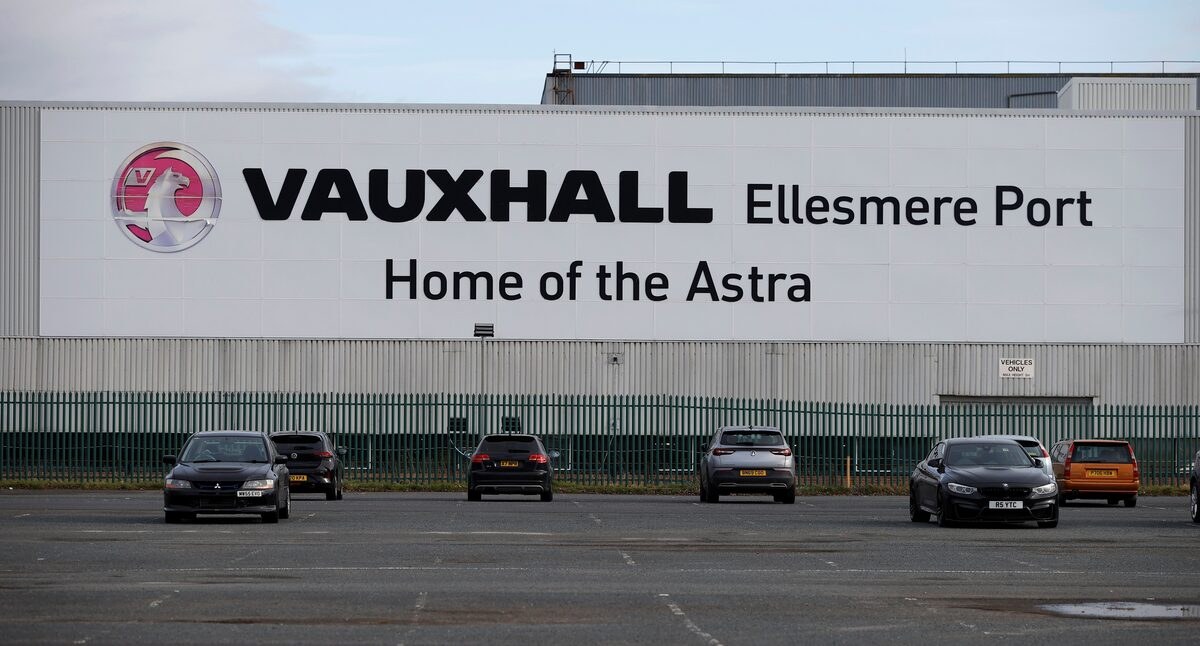
The detailed UK case study analyses the transformation of General Motors' Vauxhall Ellesmere Port assembly plant between 1989 and 2001, focussing on the contested transition from Fordist and Taylorist production to Lean Production. Plant management and trade unions, through contested negotiations, were the main actors shaping the simultaneous technical, social, and cultural transformation of the plant. However, both plant management and local trade unions lost some degree of agency over the plant's future during the second phase, which also meant the local 'partnership approach' was no longer effective and broke down to some extent. The most consequential decisions were taken at European level, which sidelined and disempowered local actors.
The transformation evolved through two distinct phases characterised by different bargaining logics. Phase 1, spanning 1989 to 1996, focussed on plant-level socio-technical and cultural changes intended to secure competitiveness and safeguard jobs. Negotiations exemplified mixed-motive bargaining: management deployed partnership rhetoric emphasising mutual benefits whilst simultaneously pursuing distributive aims to reassert managerial control. Local trade unions, adapting national strategy into a locally tailored ‘Engage and Change’ approach, conducted extensive education programmes and won crucial distributive victories. They successfully negotiated clauses preserving representational procedures and stretched implementation timelines, effectively ‘hollowing out’ management’s comprehensive socio-technical transformation by neutralising organisational aspects whilst accepting technical changes. Phase 2, from 1996 onwards, assumed a European dimension as continuous competitive pressure demonstrated that lean production represented ‘endless change’ rather than a completed transformation. This phase witnessed a fundamental shift towards predominantly distributive bargaining when Project Olympia – GM Europe's cost-cutting programme aimed at saving €2 billion within two years – created explicit and intentional zero-sum competition amongst European plants through capacity reduction targets. Trade unions, despite losing faith in local management’s promises, possessed severely constrained walk-away power due to credible closure threats, which forced them to accept increasingly unfavourable agreements on wages, productivity targets, and flexibility.
The case demonstrates fundamental limitations of plant-level social dialogue when strategic decisions occur transnationally. Locally negotiated Phase 1 settlements, representing genuine compromise reflecting local power dynamics, were subsequently undermined by European-level strategic imperatives. Project Olympia institutionalised whipsawing, pitting workers against each other whilst disempowering local management and unions. This suggests effective social dialogue addressing contemporary industrial transitions requires union organisation at multiple interconnected levels, with mechanisms affording worker representatives meaningful influence over transnational investment and location decisions.
Author of the post: Martin Weinel, Cardiff University