From Care to Green Transition: EGRUiEN Researchers at the SRC Conference in Tampere and at CELSI during research stay
How do digital technologies change elderly care? What does the green transition mean for workers and labour relations? Can collective bargaining improve working conditions in the platform economy? These questions were at the centre of the EGRUiEN contribution to the Strategic Research Council’s biennial conference,“Bridging societal and environmental fractures: creating futures,” held on 23–24 September 2026 at the Main Building of Tampere University’s City Centre Campus, Kalevantie 4, Tampere.
The conference brought together researchers interested in developing socially and environmentally sustainable responses to interconnected challenges such as climate change, biodiversity loss, pollution, polarization and declining social trust. Its programme emphasized that research should do more than diagnose contemporary crises. It should also help societies imagine and develop alternative policies, technologies and everyday practices based on social justice, ecological sustainability and collective responsibility. The event was organized and subsidized by the research programmes of Finland’s Strategic Research Council.
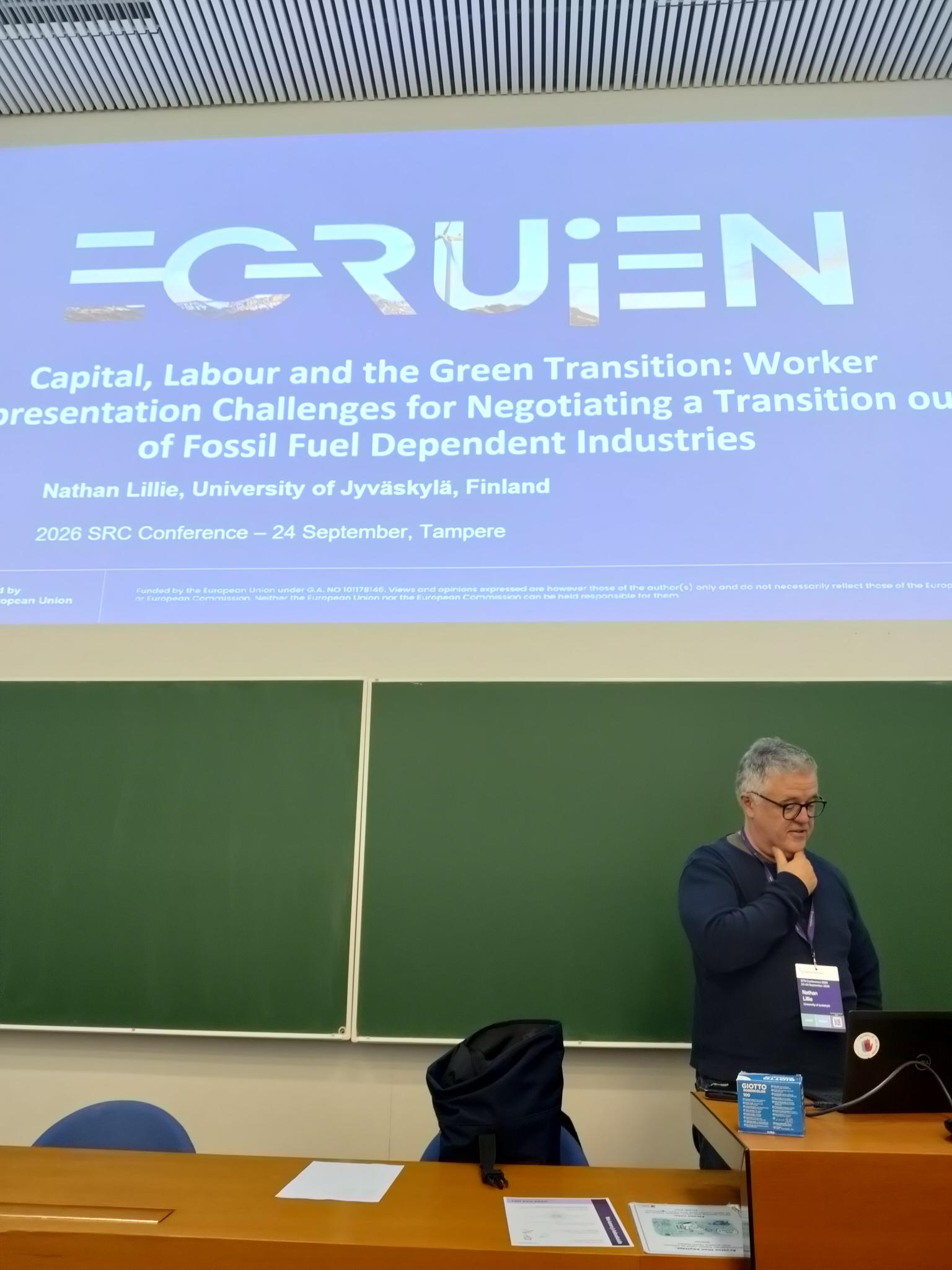
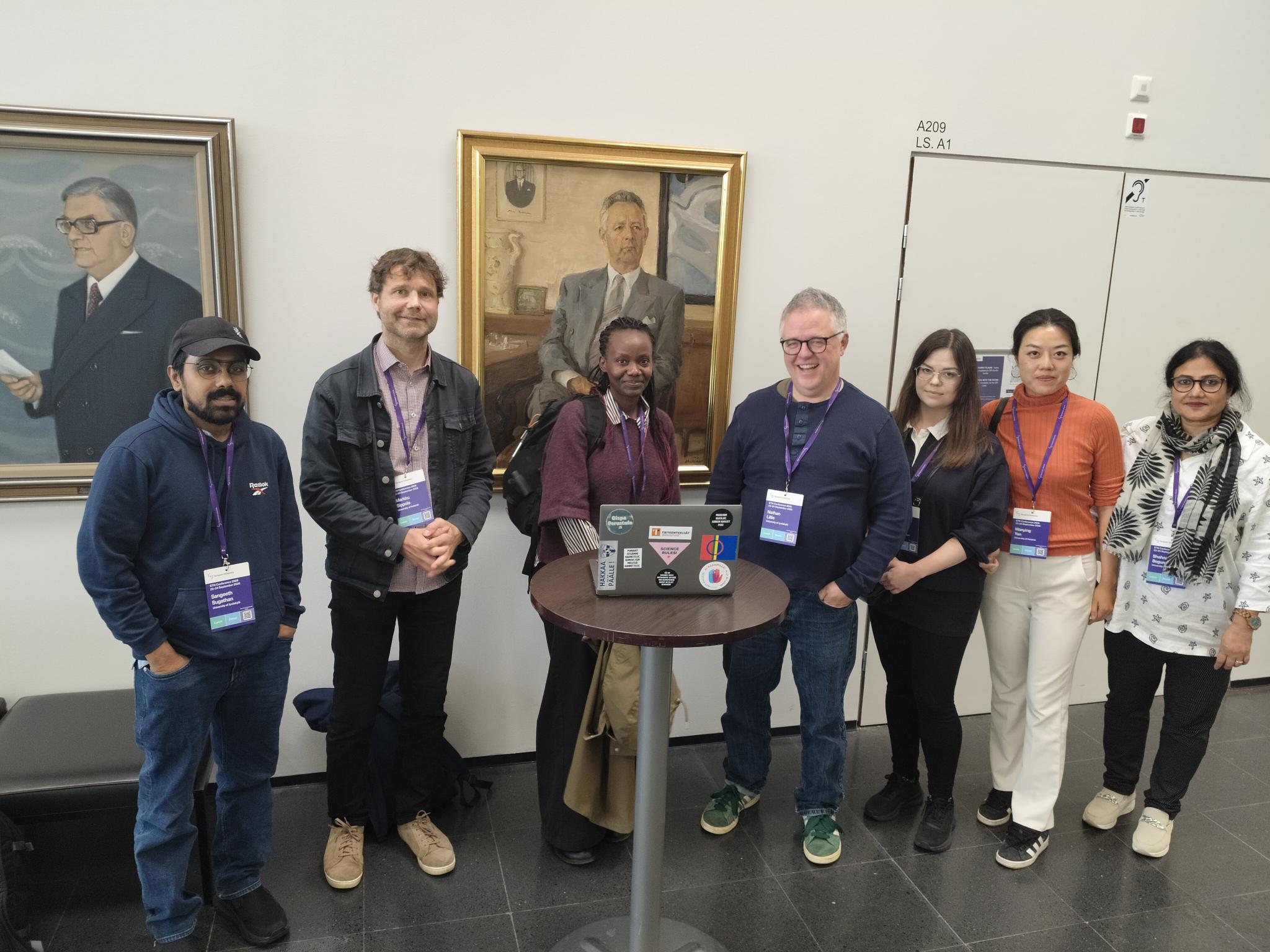
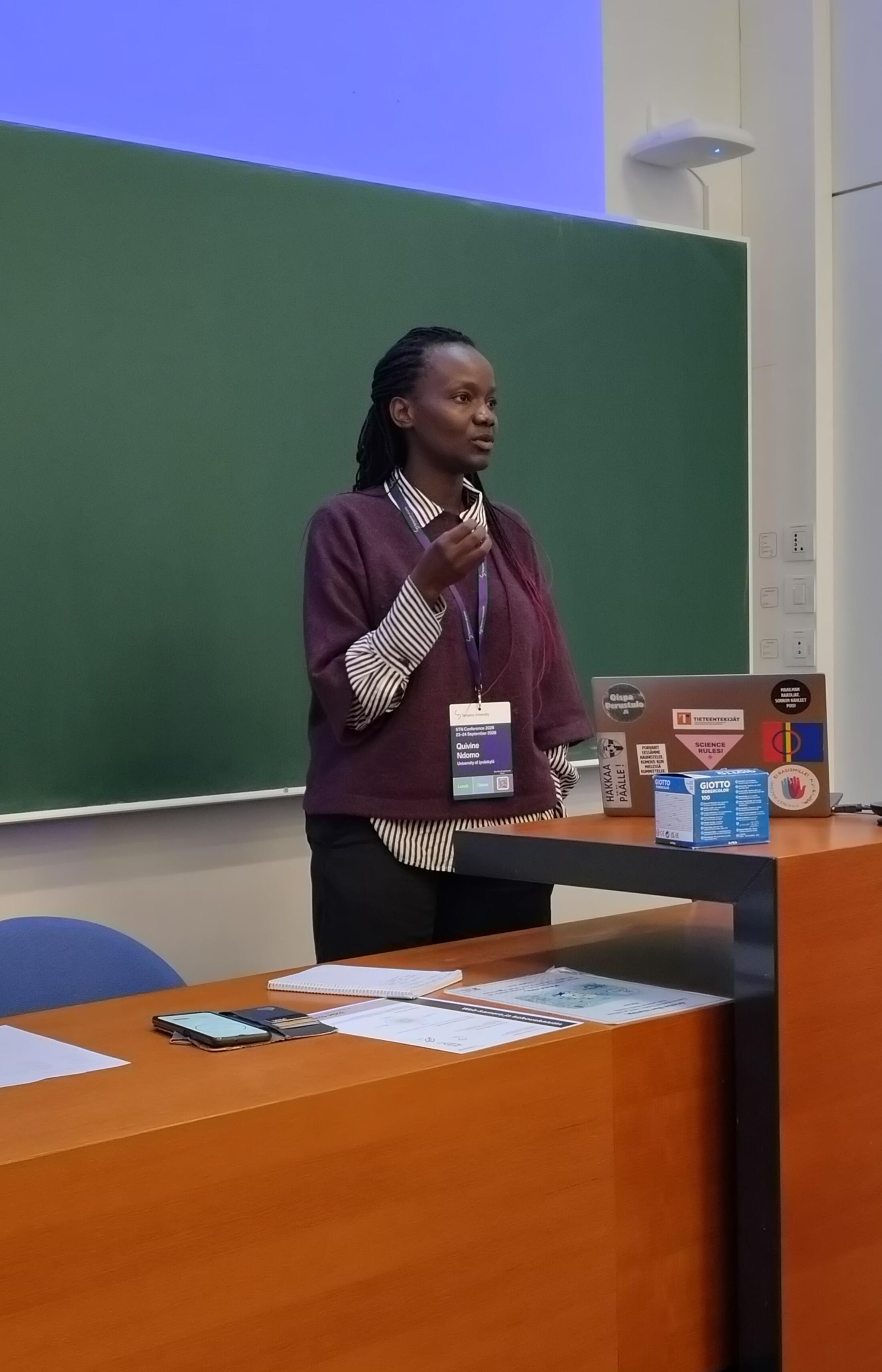
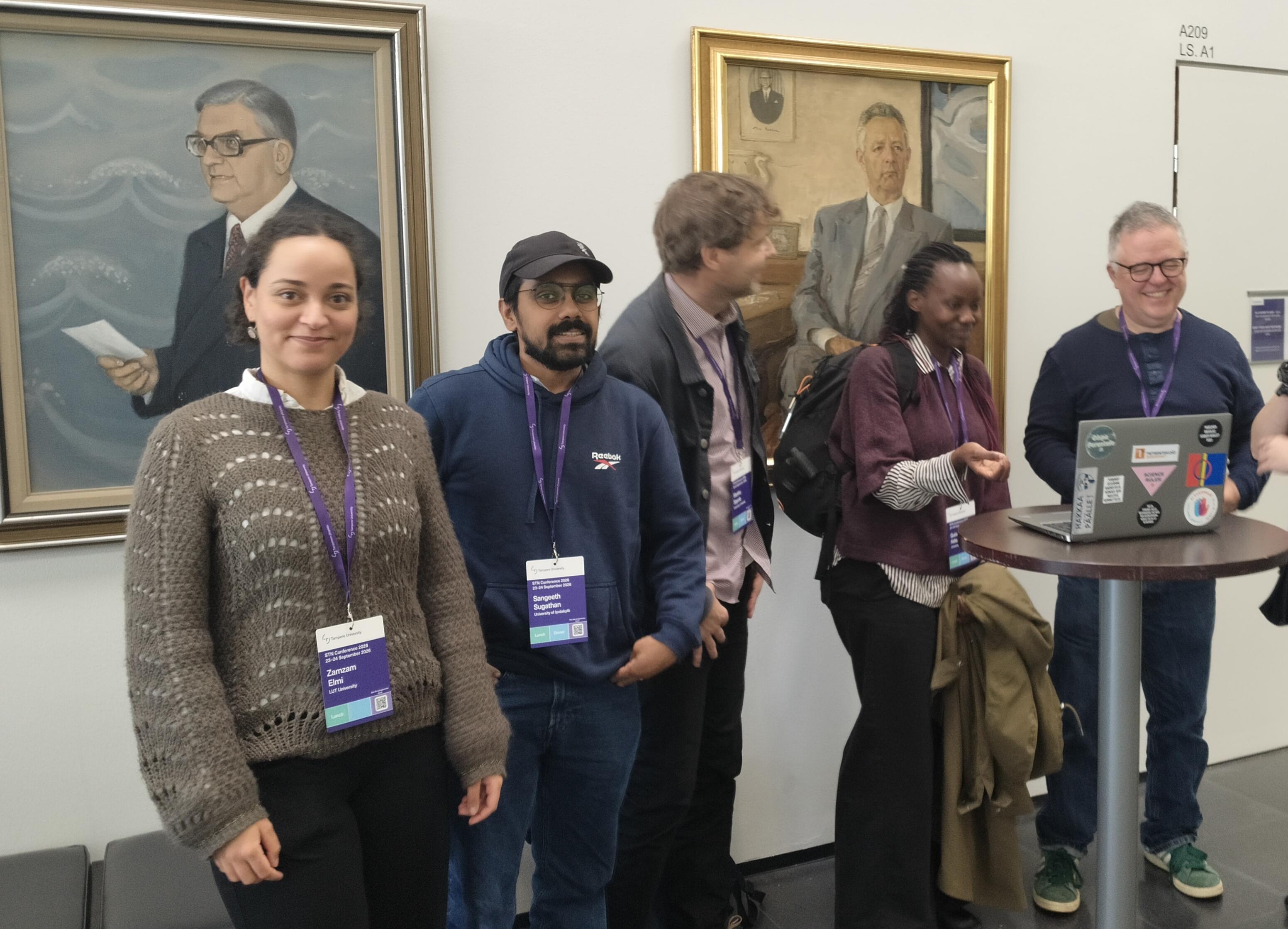
Against this broad background, researchers from the EGRUiEN teams at the University of Jyväskylä, JYU, and LUT University presented studies showing how large-scale transformations become visible in workplaces, employment relationships and workers’ everyday experiences. Here you can find the list of EGRUiEN's contributors with the titles of their papers:
1. Nathan Lillie (JYU): Capital, Labour and the Green Transition
2. Sarah Tornberg (JYU) & Nathan Lillie: Digitalizing elderly care -Workers' perceptions and expectations regarding new digital technologies
3. Quivine Ndomo (LUT), Ilona Bontenbal (LUT), Sangeeth Sugathan (JYU), Sarah Tornberg, Nathan Lillie & Yanick Lahti: Digital Disruption and Labour Precarity: Migrant care workers in Finland’s transforming care sector
4. Ilona Bontenbal & Quivine Ndomo: Social Acceptability of Managed Realignment
5. Zamzam Elmi (LUT) & Ilona Bontenbal: Collective Bargaining in Platform Taxi Work: Prospects, Barriers, and Diverging Pathways in Helsinki and Tallinn
The conference participation followed Sarah Tornberg’s fellowship visit to EGRUiEN partner institutions in September 2026. After visiting the European Centre for Social Welfare Policy and Research in Vienna from 1 to 5 September, she continued to the Central European Labour Studies Institute, CELSI, in Bratislava, where she stayed from 6 to 14 September. The visit was hosted by Elif Naz Kayran and Monika Martišková.
At CELSI, Sarah Tornberg worked with researchers on the further development of her care-sector research. On 14 September, she presented her article manuscript during a seminar and received comments and suggestions from the institute’s multidisciplinary research community. The discussions helped her refine work concerning the digital transition in elderly care and created space for exchanging ideas about ongoing and future research.
The visit also showed the value of face-to-face academic exchange. Alongside formal seminars and planned meetings, informal conversations generated new ideas and supported the writing process. These exchanges illustrate an important part of the EGRUiEN approach: combining research across disciplines and institutions in order to better understand how digital and green transformations affect workers, employers and systems of social dialogue.
Taken together, the visit to CELSI and the SRC Conference presentations demonstrate the range of questions addressed within EGRUiEN. From elderly care and migrant labour to environmental adaptation and platform taxi work, the contributions share a common objective: ensuring that digital and green transformations are examined not only as technological or economic developments, but also as processes that reshape working conditions, collective representation and possibilities for a fairer future.